

When it comes to tire maintenance, one of the most essential tools in your arsenal is a tire inflator. As a leading Tire Inflator supplier, I'm often asked about the starting pressure of a tire inflator. In this blog post, I'll delve into what the starting pressure is, why it matters, and how it relates to your overall tire inflation needs.
Understanding the Basics of Tire Inflation
Before we discuss the starting pressure of a tire inflator, let's quickly go over the fundamentals of tire inflation. Proper tire inflation is crucial for several reasons. First and foremost, it ensures optimal vehicle performance. Under - inflated tires can lead to increased rolling resistance, which means your vehicle has to work harder to move forward. This results in lower fuel efficiency and increased wear and tear on the tires.
On the other hand, over - inflated tires can reduce the tire's contact area with the road, leading to a harsher ride, reduced traction, and uneven tire wear. Therefore, maintaining the correct tire pressure is essential for safety, performance, and the longevity of your tires.
What is the Starting Pressure of a Tire Inflator?
The starting pressure of a tire inflator refers to the pressure at which the inflator begins to operate effectively. Most tire inflators are designed to start working when the pressure in the tire is below a certain level. This level can vary depending on the type and model of the tire inflator.
For example, some basic tire inflators may start working when the tire pressure is as low as 5 PSI (pounds per square inch). These are typically small, portable inflators that are ideal for emergency situations, such as when you have a flat tire on the road. They are designed to quickly add air to a severely under - inflated tire to get you back on the road safely.
On the other hand, more advanced tire inflators, especially those used in professional settings or for heavy - duty vehicles, may have a higher starting pressure. These inflators can start working when the tire pressure is around 10 - 15 PSI. They are often more powerful and can inflate tires to higher pressures more quickly.
Why the Starting Pressure Matters
The starting pressure of a tire inflator is important for several reasons. Firstly, it determines the inflator's effectiveness in different situations. If you have a tire that is only slightly under - inflated, a tire inflator with a lower starting pressure may not be necessary. In this case, a more basic inflator can do the job efficiently.
However, if you have a tire that is severely flat, a tire inflator with a lower starting pressure is essential. It allows the inflator to start adding air to the tire even when the pressure is very low, which is crucial for getting the tire back to a safe and usable pressure level.
Secondly, the starting pressure can also affect the inflator's performance and durability. A tire inflator that is designed to start working at a lower pressure is often built to handle the challenges of inflating a severely under - inflated tire. This means it has a more robust motor and components, which can withstand the extra stress of starting from a low pressure.
Types of Tire Inflators and Their Starting Pressures
There are several types of tire inflators available on the market, each with its own starting pressure characteristics.
Portable Tire Inflators
Portable tire inflators are small, lightweight, and easy to carry. They are typically powered by a vehicle's cigarette lighter or a rechargeable battery. These inflators are great for emergency use and can usually start working at a pressure as low as 5 PSI. They are designed to quickly add air to a flat tire, allowing you to drive to a nearby gas station or repair shop. You can find a great selection of Air Tire Inflator on our website.
Compressor - Based Tire Inflators
Compressor - based tire inflators are more powerful and can inflate tires more quickly. They are often used in professional settings, such as auto repair shops and tire dealerships. These inflators usually have a starting pressure of around 10 - 15 PSI. They can handle larger tires and higher pressure requirements, making them ideal for heavy - duty vehicles and trucks.
High - Volume Tire Inflators
High - volume tire inflators are designed to inflate large tires, such as those on agricultural equipment and industrial vehicles. These inflators have a high starting pressure, typically around 15 - 20 PSI. They are capable of delivering a large volume of air quickly, which is necessary for inflating large tires in a reasonable amount of time.
Choosing the Right Tire Inflator Based on Starting Pressure
When choosing a tire inflator, it's important to consider the starting pressure based on your specific needs. If you're mainly using the inflator for emergency situations and have a variety of vehicles, a portable tire inflator with a low starting pressure is a good choice. It will allow you to inflate a severely flat tire, regardless of the vehicle type.
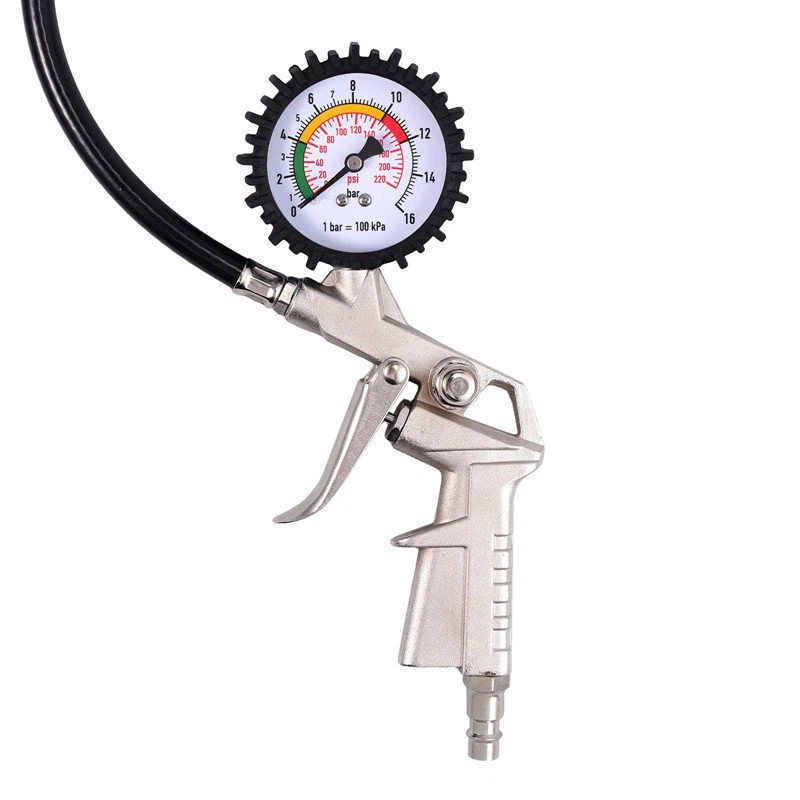

If you're a professional mechanic or own a heavy - duty vehicle, a compressor - based or high - volume tire inflator with a higher starting pressure may be more suitable. These inflators can handle the larger tires and higher pressure requirements of your vehicles more effectively.
Maintenance and Safety Tips for Tire Inflators
To ensure the longevity and performance of your tire inflator, it's important to follow some maintenance and safety tips.
- Regular Cleaning: Keep your tire inflator clean by removing any dirt, dust, or debris that may accumulate on it. This will prevent the inflator from overheating and ensure its components work properly.
- Check the Hoses and Connections: Regularly inspect the hoses and connections for any signs of wear or damage. Replace any damaged parts immediately to prevent air leaks.
- Store Properly: When not in use, store your tire inflator in a cool, dry place. This will prevent the motor and other components from being damaged by moisture or extreme temperatures.
- Follow the Manufacturer's Instructions: Always follow the manufacturer's instructions when using your tire inflator. This includes using the correct power source, setting the correct pressure, and operating the inflator safely.
Conclusion
The starting pressure of a tire inflator is an important factor to consider when choosing the right inflator for your needs. Whether you're looking for a portable inflator for emergency use or a more powerful inflator for professional settings, understanding the starting pressure can help you make an informed decision.
As a Tire Inflator supplier, we offer a wide range of high - quality tire inflators to meet your specific requirements. If you have any questions or are interested in purchasing a tire inflator, please don't hesitate to contact us. We're here to help you find the perfect tire inflator for your needs and ensure your tires are always properly inflated.
References
- "Tire Inflation and Its Importance" - Automotive Maintenance Handbook
- "Types of Tire Inflators and Their Applications" - Tire Industry Journal
- "Choosing the Right Tire Inflator" - Consumer Reports on Automotive Tools


