

Hey there! As a supplier of LVLP Spray Guns, I've seen firsthand how different factors can impact the performance of these tools. One aspect that often gets overlooked but plays a crucial role in paint adhesion is air humidity. In this blog post, I'll dive into the influence of air humidity on paint adhesion when using an LVLP Spray Gun and share some insights to help you achieve the best results.
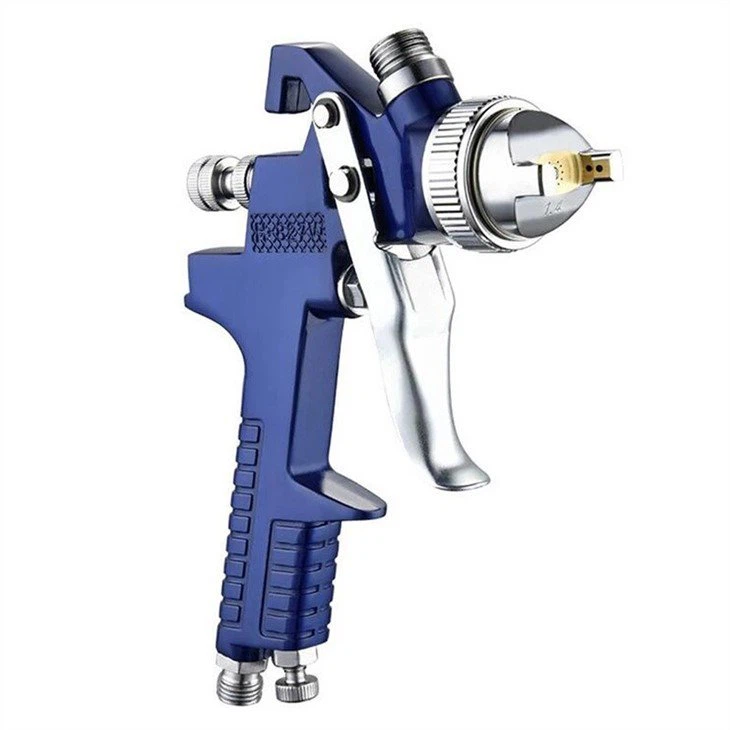
First off, let's quickly go over what an LVLP Spray Gun is. LVLP stands for Low Volume, Low Pressure. These spray guns are designed to use less air volume and operate at lower pressures compared to traditional spray guns. This makes them more efficient, reduces overspray, and provides a more even finish. They're great for a variety of painting projects, from small DIY jobs to professional automotive and industrial applications.
Now, let's talk about air humidity. Humidity refers to the amount of water vapor present in the air. It can vary greatly depending on the location, time of day, and season. When it comes to painting with an LVLP Spray Gun, humidity can have a significant impact on how the paint adheres to the surface.
How Humidity Affects Paint Drying
One of the primary ways humidity affects paint adhesion is by influencing the drying process. Paint dries through a combination of evaporation and chemical reactions. In low humidity conditions, the water or solvents in the paint evaporate more quickly. This can lead to a faster drying time, which might seem like a good thing at first. However, if the paint dries too quickly, it can form a skin on the surface before the underlying layers have a chance to properly bond with the substrate. This can result in poor adhesion, cracking, and peeling over time.
On the other hand, high humidity can slow down the drying process significantly. When there's a lot of moisture in the air, the paint has a harder time evaporating its solvents. This can cause the paint to stay wet for longer periods, increasing the risk of dust and debris settling on the surface and creating a rough finish. Additionally, the extended drying time can allow the paint to sag or run, especially on vertical surfaces.
Impact on Paint Adhesion
Humidity can also directly affect the chemical reactions that occur during the curing process. Many paints rely on chemical cross - linking to form a strong, durable bond with the surface. High humidity can interfere with these reactions, preventing the paint from fully curing and weakening the adhesion. For example, some water - based paints require a certain level of dryness in the air to properly coalesce and form a continuous film. In humid conditions, the water in the paint may not evaporate fast enough, leading to a less cohesive and less adherent finish.
In addition, moisture in the air can cause the surface to become slightly damp. If the paint is applied to a damp surface, it won't adhere as well. The moisture acts as a barrier between the paint and the substrate, preventing the paint from making good contact and forming a strong bond. This can result in blistering, peeling, or flaking of the paint over time.
Tips for Painting in Different Humidity Conditions
So, what can you do to ensure good paint adhesion when using an LVLP Spray Gun in different humidity conditions?
Low Humidity
- Slow - drying additives: Consider using slow - drying additives in your paint. These additives can slow down the evaporation rate of the solvents, allowing the paint to dry more evenly and giving the underlying layers time to bond properly.
- Mist the surface lightly: Before painting, you can lightly mist the surface with water. This can help prevent the paint from drying too quickly and improve adhesion. However, be careful not to make the surface too wet.
High Humidity
- Use a dehumidifier: If possible, use a dehumidifier in the painting area to reduce the humidity level. Aim for a humidity level between 40% and 60% for optimal paint drying and adhesion.
- Choose the right paint: Some paints are formulated to perform better in high - humidity conditions. Look for paints that are labeled as "high - humidity resistant" or "low - moisture cure."
Our LVLP Spray Gun Solutions
At our company, we offer a range of LVLP Spray Guns that are designed to work well in various conditions. Whether you're dealing with low or high humidity, our spray guns can help you achieve a professional - quality finish.
In addition to our standard LVLP Spray Guns, we also have some great related products. Check out our Mini HVLP Spray Gun, which is perfect for small - scale projects and detailed work. If you're looking for a more comprehensive solution, our HVLP Spray Gun Kit includes everything you need to get started with your painting project. And for larger jobs, our HVLP Paint Sprayer provides high - volume, efficient painting.
Conclusion
Air humidity is a crucial factor that can significantly impact paint adhesion when using an LVLP Spray Gun. By understanding how humidity affects the drying and curing processes, and taking appropriate measures to adjust for different humidity conditions, you can ensure that your paint jobs turn out great.
If you're in the market for a high - quality LVLP Spray Gun or any of our related products, we'd love to hear from you. We're here to help you find the right tools for your painting needs and provide you with the support and advice you need to achieve the best results. Whether you're a professional painter or a DIY enthusiast, our products are designed to meet your expectations. So, don't hesitate to reach out and start a conversation about your painting projects.

References
- Paints and Coatings Technology Handbook.
- Journal of Coatings Technology and Research.
- Automotive Painting and Refinishing Guide.


