

The efficiency of an air blow gun is a multifaceted concept that encompasses various aspects, including its ability to perform specific tasks, energy consumption, and overall performance in different industrial and commercial settings. As a supplier of Air Blow Gun, I have witnessed firsthand the importance of understanding these efficiency factors for both our customers and the industry as a whole.

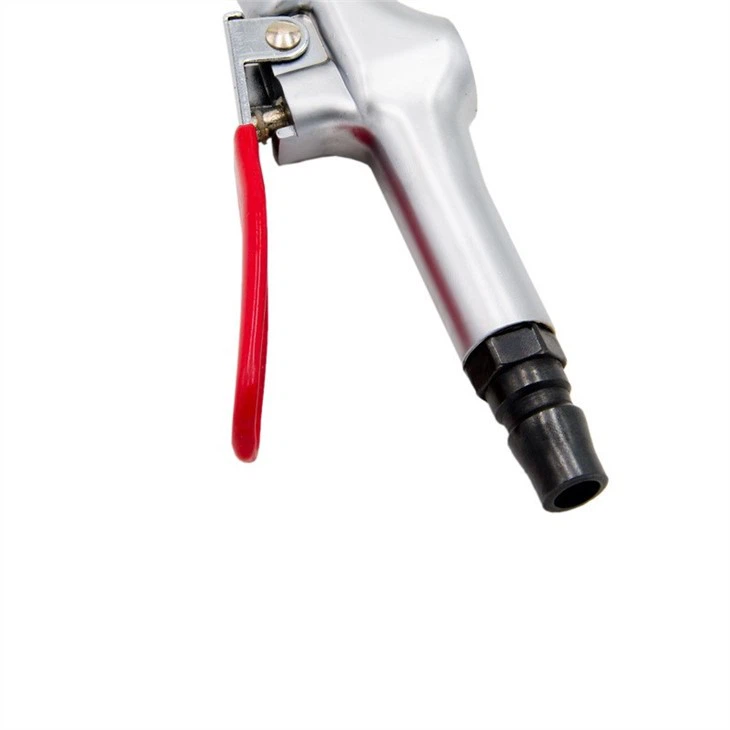
Understanding the Basics of Air Blow Gun Efficiency
At its core, the efficiency of an air blow gun can be defined by its capacity to convert compressed air into a powerful and focused stream of air. This conversion process is crucial because it determines how effectively the blow gun can perform tasks such as cleaning, drying, and moving debris. A highly efficient air blow gun will use less compressed air to achieve the same results as a less efficient one, which translates into cost savings and reduced energy consumption.
One of the key factors that affect the efficiency of an air blow gun is its design. The shape and size of the nozzle, for example, play a significant role in determining the velocity and spread of the air stream. A well-designed nozzle can create a concentrated and high-velocity air jet, which is ideal for tasks that require precision and power. On the other hand, a poorly designed nozzle may result in a diffuse and weak air stream, which is less effective and may require more compressed air to achieve the desired results.
Another important factor is the material used in the construction of the air blow gun. High-quality materials can ensure durability and resistance to wear and tear, which is essential for long-term efficiency. For instance, a blow gun made from sturdy metals or reinforced plastics is less likely to develop leaks or malfunctions, which can lead to a decrease in performance and an increase in energy consumption.
Measuring the Efficiency of an Air Blow Gun
There are several ways to measure the efficiency of an air blow gun. One common method is to calculate the air consumption rate, which is the amount of compressed air used by the blow gun per unit of time. A lower air consumption rate indicates higher efficiency, as it means that the blow gun is using less air to perform the same task.
Another important metric is the force or pressure of the air stream. This can be measured using a pressure gauge or a force sensor. A higher force or pressure indicates a more powerful air stream, which can be more effective for tasks such as removing stubborn debris or drying large surfaces.
In addition to these quantitative measures, it is also important to consider the qualitative aspects of efficiency. For example, the ease of use and ergonomics of the air blow gun can have a significant impact on its overall efficiency. A blow gun that is comfortable to hold and operate can reduce operator fatigue and improve productivity, which can ultimately lead to greater efficiency.
Applications and Efficiency
The efficiency of an air blow gun can vary depending on its application. In industrial settings, air blow guns are commonly used for cleaning machinery, removing chips and debris from work surfaces, and drying parts. In these applications, efficiency is crucial because it can directly impact productivity and cost.
For example, in a manufacturing plant, a highly efficient air blow gun can reduce the time and energy required to clean machinery, which can increase production uptime and reduce maintenance costs. Similarly, in a food processing facility, an efficient air blow gun can help to ensure that food products are free from contaminants and moisture, which is essential for food safety and quality.
In commercial settings, air blow guns are often used for tasks such as cleaning floors, drying carpets, and inflating tires. In these applications, efficiency is also important, but the focus may be more on convenience and ease of use. For example, a lightweight and portable air blow gun can be more convenient for cleaning large areas or reaching hard-to-access places.
Improving the Efficiency of Air Blow Guns
As a supplier of air blow guns, we are constantly looking for ways to improve the efficiency of our products. One approach is to invest in research and development to design and manufacture blow guns with better nozzles and more efficient air flow patterns. By optimizing the design of the nozzle, we can increase the velocity and concentration of the air stream, which can improve the cleaning and drying performance of the blow gun.
Another way to improve efficiency is to use advanced materials and manufacturing techniques. For example, we can use precision machining to ensure that the internal components of the blow gun are accurately sized and shaped, which can reduce air leakage and improve the overall performance of the product.
In addition to product improvements, we also provide our customers with training and support to help them use our air blow guns more efficiently. This includes educating them on proper operating procedures, maintenance tips, and safety guidelines. By ensuring that our customers are using our blow guns correctly, we can help them to achieve the best possible results and maximize the efficiency of their operations.
Conclusion
The efficiency of an air blow gun is a critical factor that can have a significant impact on both the performance and cost of industrial and commercial operations. As a supplier of Air Blow Gun, we are committed to providing our customers with high-quality products that offer maximum efficiency.
By understanding the factors that affect efficiency, measuring it accurately, and taking steps to improve it, we can help our customers to achieve their goals and stay competitive in today's market. If you are interested in learning more about our air blow guns or discussing your specific requirements, please do not hesitate to contact us. We look forward to working with you to find the most efficient air blow gun solution for your needs.
References
- ASHRAE Handbook - Fundamentals. American Society of Heating, Refrigerating and Air-Conditioning Engineers.
- Compressed Air and Gas Institute (CAGI) Standards. Compressed Air and Gas Institute.
- Industrial Ventilation: A Manual of Recommended Practice. American Conference of Governmental Industrial Hygienists.


