

What is the smoothness of the finish achieved by an air sander?
As a leading air sander supplier, I've witnessed firsthand the transformative power of these tools in various industries. The smoothness of the finish achieved by an air sander is a crucial factor that can make or break a project, whether it's a small woodworking task or a large-scale automotive restoration. In this blog post, I'll delve into the concept of smoothness, explore the factors that influence it, and showcase how our air sanders deliver exceptional results.

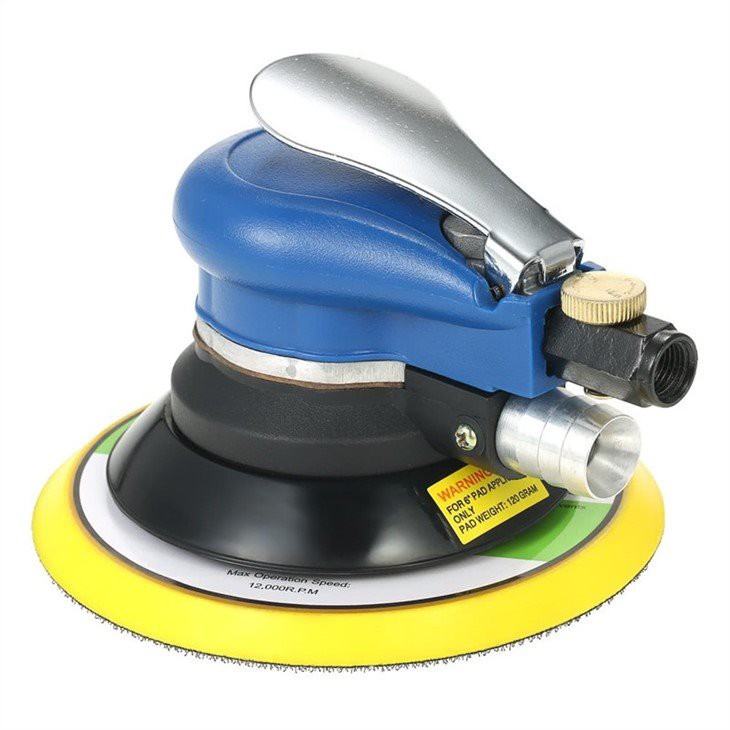
Understanding Smoothness
Smoothness, in the context of sanding, refers to the evenness and uniformity of the surface texture after sanding. A smooth finish is characterized by the absence of visible scratches, marks, or irregularities, creating a polished and professional look. Achieving a high level of smoothness is essential for several reasons:
- Aesthetics: A smooth surface enhances the visual appeal of the finished product, making it more attractive and marketable. In industries such as furniture making, automotive detailing, and woodworking, a flawless finish can significantly increase the value of the item.
- Functionality: In some applications, such as precision machining or electronics manufacturing, a smooth surface is necessary for proper functionality. A rough surface can cause friction, interfere with the operation of moving parts, or compromise the integrity of electrical components.
- Coating Adhesion: When applying paint, varnish, or other coatings, a smooth surface provides better adhesion, resulting in a more durable and long-lasting finish. A rough surface can trap air bubbles or debris, leading to uneven coating and potential peeling or chipping.
Factors Affecting Smoothness
Several factors influence the smoothness of the finish achieved by an air sander. Understanding these factors can help you optimize your sanding process and achieve the best possible results.
- Sanding Grit: The grit of the sandpaper is one of the most critical factors affecting smoothness. Grit refers to the number of abrasive particles per square inch of the sandpaper. A higher grit number indicates finer abrasive particles, resulting in a smoother surface finish. Generally, it's recommended to start with a coarser grit to remove material quickly and then gradually move to finer grits for a smoother finish.
- Sanding Technique: The way you use the air sander can also impact the smoothness of the finish. Apply even pressure across the surface, move the sander in a consistent pattern, and avoid applying too much pressure or sanding in one spot for too long. Moving the sander in a circular or back-and-forth motion can help distribute the abrasive action evenly and prevent the formation of uneven scratches.
- Sander Type: Different types of air sanders offer varying levels of smoothness. For example, Air Random Orbital Sander combines a circular and orbital motion, which helps to minimize swirl marks and produce a more consistent finish. On the other hand, a palmsander may be more suitable for small or intricate areas but may not provide the same level of smoothness as a larger random orbital sander.
- Air Pressure: The air pressure used to power the sander can also affect the smoothness of the finish. Too high of an air pressure can cause the sander to run too aggressively, resulting in a rough surface. Conversely, too low of an air pressure can cause the sander to stall or not remove material effectively. It's important to follow the manufacturer's recommendations for air pressure to ensure optimal performance.
- Surface Material: The type of material being sanded can also impact the smoothness of the finish. Some materials, such as softwoods or plastics, may require a different approach than harder materials like metals or hardwoods. Additionally, the condition of the surface before sanding, such as the presence of paint, varnish, or stains, can also affect the sanding process and the final finish.
Our Air Sanders: Delivering Exceptional Smoothness
At our company, we take pride in offering a wide range of high-quality air sanders that are designed to deliver exceptional smoothness and performance. Our Air Random Orbital Sander and Air Palm Random Orbital Sander are specifically engineered to provide a consistent and uniform finish, even on the most challenging surfaces.
- Advanced Design: Our air sanders feature a unique design that combines the benefits of random orbital motion with precision engineering. This innovative design helps to minimize swirl marks and produce a smooth, professional finish every time.
- High-Quality Components: We use only the highest-quality components in our air sanders to ensure durability and reliability. From the powerful motors to the precision bearings, every part of our sanders is designed to withstand the rigors of daily use and deliver consistent performance.
- Ergonomic Design: We understand the importance of comfort and ease of use when it comes to sanding. That's why our air sanders are designed with ergonomic handles and lightweight construction, making them comfortable to hold and easy to maneuver for extended periods.
- Versatility: Our air sanders are suitable for a wide range of applications, from woodworking and furniture making to automotive detailing and metalworking. With a variety of sanding grits and accessories available, you can customize our sanders to meet the specific needs of your project.
Achieving the Perfect Finish
To achieve the perfect finish with our air sanders, it's important to follow a few simple steps:
- Choose the Right Sandpaper: Select the appropriate sandpaper grit based on the material you're sanding and the desired level of smoothness. Start with a coarser grit to remove material quickly and then gradually move to finer grits for a smoother finish.
- Prepare the Surface: Before sanding, make sure the surface is clean and free of debris. Use a vacuum or compressed air to remove any dust or dirt, and repair any cracks or imperfections in the surface.
- Adjust the Air Pressure: Set the air pressure according to the manufacturer's recommendations for your specific sander and sandpaper grit. This will ensure optimal performance and prevent damage to the surface.
- Use the Right Technique: Apply even pressure across the surface and move the sander in a consistent pattern. Avoid applying too much pressure or sanding in one spot for too long, as this can cause uneven scratches and damage the surface.
- Finish with a Fine Grit: Once you've achieved the desired level of smoothness with the coarser grits, finish with a fine grit sandpaper to remove any remaining scratches and create a polished finish.
Contact Us for Your Air Sander Needs
If you're looking for high-quality air sanders that deliver exceptional smoothness and performance, look no further. As a trusted air sander supplier, we offer a wide range of products to meet the needs of professionals and DIY enthusiasts alike. Whether you're working on a small woodworking project or a large-scale industrial application, our air sanders are the perfect choice for achieving a flawless finish.
Contact us today to learn more about our products and how we can help you achieve the perfect finish for your next project. We look forward to working with you!
References
- Woodworking Magazine: "Achieving a Smooth Finish with Air Sanders"
- Automotive Detailing Journal: "The Importance of Smoothness in Automotive Finishes"
- Industrial Manufacturing Handbook: "Sanding Techniques for Precision Machining"


