

Hey there! As a supplier of air sanders, I often get asked about the lifespan of these handy tools. It's a fair question, considering you want to know how long your investment will last. So, let's dive right into it and figure out what affects the lifespan of an air sander and how you can make it last as long as possible.
First off, what exactly is an air sander? Well, it's a power tool that uses compressed air to operate. There are different types, like the Air Palm Random Orbital Sander and the Air Random Orbital Sander. These sanders are great for a variety of tasks, from smoothing wood surfaces to preparing metal for painting.
Now, let's talk about the factors that can influence the lifespan of an air sander. One of the biggest factors is how often you use it. If you're a professional who uses an air sander every day, it's going to wear out faster than if you're a DIYer who only uses it occasionally. Just like any other tool, the more you use it, the more stress it's going to endure.
Another important factor is how you maintain your air sander. Proper maintenance can significantly extend its lifespan. This includes things like keeping it clean, lubricating the moving parts, and replacing worn-out parts as needed. For example, the air filter in your sander should be cleaned or replaced regularly to prevent dust and debris from getting into the motor and causing damage. Also, make sure to use the right type of lubricant recommended by the manufacturer.
The quality of the air sander also plays a huge role. Higher-quality sanders are usually built with better materials and more precise manufacturing processes. They're designed to withstand more wear and tear, so they tend to last longer. When you're in the market for an air sander, it's worth spending a little extra on a good brand. You'll save money in the long run by not having to replace it as often.
The working conditions can also impact the lifespan of your air sander. If you're using it in a dusty environment, like a woodworking shop, the dust can get into the sander and cause problems. Try to use a dust collection system to minimize the amount of dust in the air. Also, extreme temperatures can affect the performance and lifespan of the sander. If it's too hot or too cold, it can put extra stress on the motor and other components.
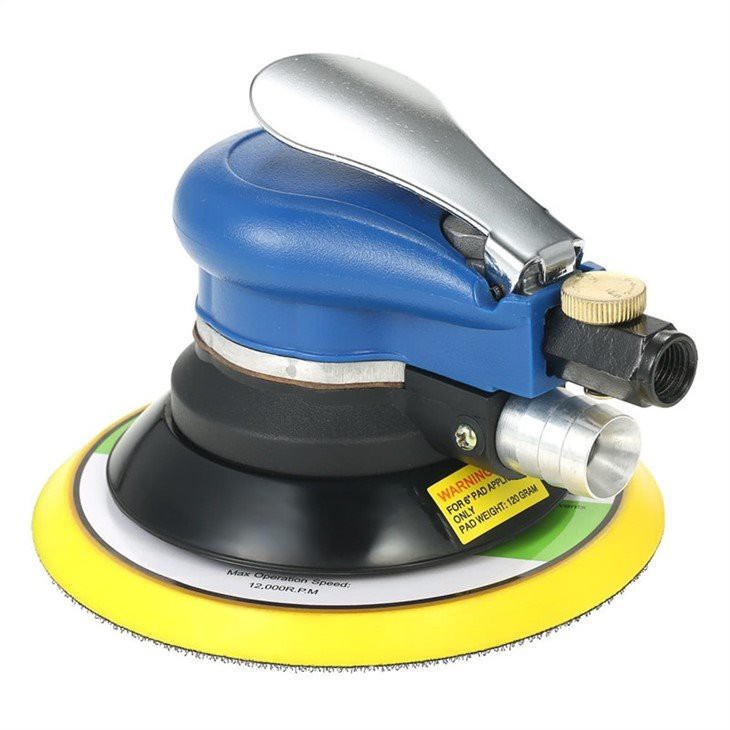

Let's get a bit more technical and talk about the components of an air sander and how they can wear out. The motor is the heart of the sander, and it's one of the most important components. Over time, the brushes in the motor can wear down, which can cause the motor to lose power or stop working altogether. Replacing the brushes is usually a relatively simple and inexpensive repair, but if you ignore it, it can lead to more serious problems.
The bearings in the sander are another critical component. They allow the moving parts to rotate smoothly. If the bearings become worn or damaged, the sander can start to vibrate excessively, which not only makes it difficult to use but can also cause further damage to other parts. Regular lubrication can help prevent bearing wear.
The sanding pad is also subject to wear. As you use the sander, the sandpaper wears down, and the pad can also get scratched or damaged. If the pad is too worn, it can affect the quality of the sanding and even cause the sandpaper to come off. Make sure to replace the sanding pad when it starts to show signs of wear.
So, how long can you expect an air sander to last? Well, it's hard to give an exact number because it depends on all the factors we've discussed. But on average, a well-maintained air sander can last anywhere from 5 to 10 years. Professional-grade sanders that are used heavily might need to be replaced every 3 to 5 years, while a DIYer's sander could last 10 years or more.
To give you an idea of what to look out for when your sander is reaching the end of its lifespan, here are some signs. If the sander starts to lose power, makes strange noises, or vibrates more than usual, these could be signs that something is wrong. Also, if you find yourself having to make frequent repairs, it might be time to consider getting a new one.
Now, I want to share some tips on how to get the most out of your air sander. First, always read the user manual. It has all the information you need about proper use, maintenance, and safety. Second, don't overload the sander. Use it within its recommended capacity. If you try to sand a surface that's too hard or too thick for the sander, it can put a lot of stress on the motor and other parts.
If you're thinking about buying an air sander, or if you already have one and want to make sure it lasts as long as possible, I'm here to help. As a supplier, I have a wide range of high-quality air sanders to choose from. Whether you need a Air Palm Random Orbital Sander for small, detailed work or an Air Random Orbital Sander for larger projects, we've got you covered.
If you have any questions about air sanders, their lifespan, or need advice on maintenance, feel free to reach out. I'm happy to share my knowledge and help you make the most of your investment. Whether you're a professional or a DIY enthusiast, having a reliable air sander is essential for getting the job done right. So, if you're in the market for a new air sander or need to replace some parts for your existing one, don't hesitate to contact me. Let's start a conversation and find the perfect solution for your sanding needs.
References
- Manufacturer's manuals for various air sanders
- Industry research on tool lifespan and maintenance


