

Hey there! As a supplier of Under Coating Guns, I often get asked about the hardness of the coating applied by these guns. So, I thought I'd take a moment to break it down for you.
First off, let's talk about what an under coating gun is. It's a tool used to apply a protective layer to the underside of vehicles, machinery, or other structures. This coating helps prevent rust, corrosion, and damage from road debris, water, and other environmental factors. There are different types of under coating guns, like the Air Undercoating Spray Gun, Air Sandblast Gun, and Portable Sand Blaster Gun, each with its own unique features and applications.
Now, onto the hardness of the coating. The hardness of the coating applied by an under coating gun depends on several factors. One of the most important factors is the type of coating material used. There are various types of under coating materials available in the market, such as rubberized coatings, asphalt-based coatings, and epoxy coatings.
Rubberized coatings are quite popular because they offer good flexibility and shock absorption. They can withstand the vibrations and movements of a vehicle without cracking or peeling. The hardness of rubberized coatings can vary, but they are generally softer compared to some other types. This softness allows them to conform to the shape of the surface and provide a seal against moisture and debris.
Asphalt-based coatings are known for their durability and resistance to water. They form a thick, protective layer on the surface. These coatings tend to be a bit harder than rubberized coatings. They can provide long - term protection against rust and corrosion, especially in harsh environments. However, they may be a bit more brittle, so they need to be applied carefully to avoid cracking.
Epoxy coatings are among the hardest options. They offer excellent chemical resistance and adhesion. Epoxy coatings can create a very tough and long - lasting protective layer. They are often used in industrial applications where high - performance protection is required. The hardness of epoxy coatings makes them resistant to abrasion, impact, and chemical spills.
Another factor that affects the coating hardness is the application process. The thickness of the coating applied by the under coating gun plays a significant role. A thicker coating generally results in greater hardness and better protection. But you need to be careful not to apply it too thickly, as it can lead to issues like uneven drying, cracking, or sagging.
The drying and curing conditions also impact the hardness. Coatings need to dry and cure properly to reach their maximum hardness. Factors like temperature, humidity, and ventilation can affect the drying and curing process. For example, if the temperature is too low, the coating may take longer to dry and may not reach its full hardness. On the other hand, if the humidity is too high, it can cause the coating to dry unevenly or develop a cloudy appearance.
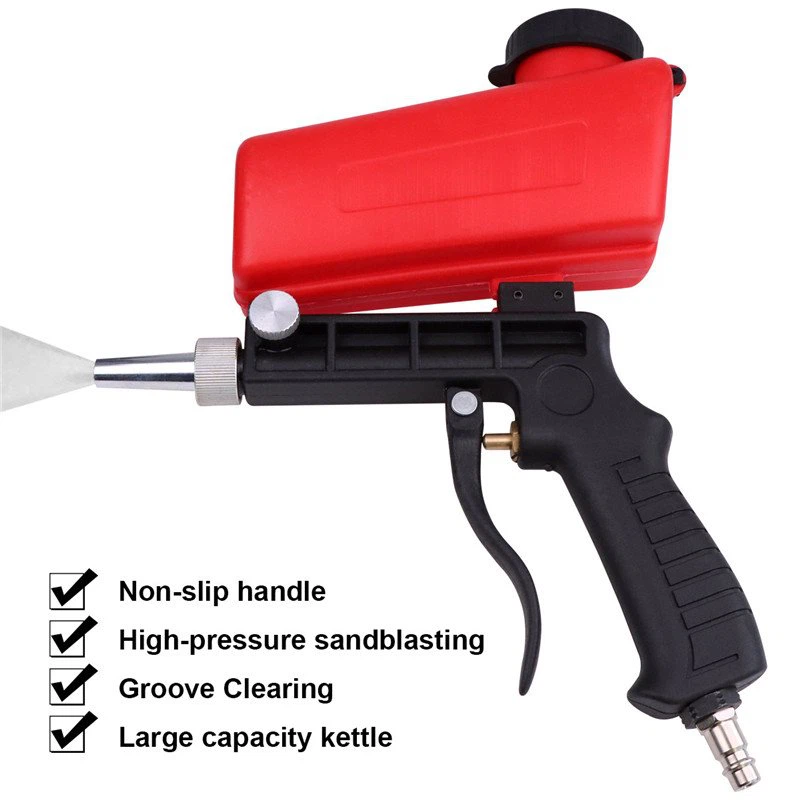
Proper surface preparation is also crucial for achieving the right coating hardness. If the surface is not clean and free of grease, oil, and rust, the coating may not adhere properly. This can lead to a weaker coating that is more prone to peeling and damage. Before using an under coating gun, it's important to clean the surface thoroughly, and in some cases, sandblast it to create a rough surface for better adhesion.
Let's talk about the benefits of having a hard - coated surface. A hard coating provides better protection against physical damage. For vehicles, it can resist the impact of stones, gravel, and other road debris. In industrial settings, it can protect machinery from scratches and abrasions during normal operation.
Hard coatings also offer better chemical resistance. They can withstand exposure to various chemicals, such as oil, gasoline, and cleaning agents. This is especially important for vehicles and equipment that are exposed to these substances on a regular basis.
Moreover, a hard - coated surface is more resistant to wear and tear over time. It can maintain its protective properties for a longer period, reducing the need for frequent re - coating. This saves both time and money in the long run.
When choosing an under coating gun and coating material, it's important to consider the specific requirements of your application. If you're looking for a coating that can withstand a lot of physical impact, an epoxy coating might be the best choice. If you need a coating that can flex with the movement of the structure, a rubberized coating could be more suitable.

As a supplier of under coating guns, I've seen firsthand the importance of getting the right combination of gun, coating material, and application process. Our Air Undercoating Spray Gun is designed to provide a smooth and even application of different types of coatings. It's easy to use and can help you achieve a high - quality finish.
The Air Sandblast Gun is great for surface preparation. It can quickly remove rust, paint, and other contaminants from the surface, ensuring better adhesion of the coating. And if you need a more portable option for surface preparation, our Portable Sand Blaster Gun is a perfect choice.
If you're in the market for an under coating gun or need advice on the right coating material for your project, don't hesitate to get in touch. We're here to help you make the best decision and ensure that you get a durable and effective coating. Whether you're a professional mechanic, an industrial operator, or a DIY enthusiast, we have the products and expertise to meet your needs.
In conclusion, the hardness of the coating applied by an under coating gun is influenced by the type of coating material, application process, drying and curing conditions, and surface preparation. By understanding these factors, you can choose the right combination to achieve the desired level of protection. So, if you have any questions or are ready to start your project, reach out to us and let's get started on giving your surfaces the protection they deserve.
References
- "Coating Technology Handbook" - A comprehensive guide on different coating materials and their properties.
- "Automotive Undercoating: A Practical Guide" - Focuses on undercoating applications for vehicles.
- Industry research papers on the performance of various under coating materials.


