

Hey there! As a supplier of Air Tire Inflator, I often get asked about the difference between diaphragm and piston air tire inflators. So, let's dive right in and break it down.
How They Work
First off, let's talk about how these two types of inflators actually function. A diaphragm air tire inflator uses a flexible diaphragm to pump air. The diaphragm moves up and down, creating a vacuum on one side and forcing air out on the other. It's like a little rubber sheet that does all the hard work. When the diaphragm moves up, it sucks air into the chamber, and when it moves down, it pushes that air out through the hose and into your tire.
On the other hand, a piston air tire inflator uses a piston that moves back and forth inside a cylinder. As the piston moves down, it creates a low - pressure area, and air is drawn into the cylinder. Then, when the piston moves up, it compresses the air and sends it out to inflate your tire. It's a more mechanical and traditional way of pumping air, kind of like how an engine in a car works.
Performance and Power
When it comes to performance, piston inflators usually have more power. They can generate higher pressures, which means they can inflate larger tires or reach higher PSI (pounds per square inch) settings more quickly. For example, if you have a big truck tire or a tractor tire, a piston inflator will get the job done faster. It can handle the heavy - duty work of filling up those large volumes of air.
Diaphragm inflators, on the other hand, are better for smaller tires and lower pressure applications. They're great for inflating bike tires, small car tires, or even inflatable toys. They're not as powerful as piston inflators, but they're more lightweight and portable. You can easily carry a diaphragm inflator around in your trunk or backpack without it weighing you down too much.
Noise Level
Noise is another important factor to consider. Diaphragm inflators are generally quieter. Since they use a flexible diaphragm instead of a moving piston, there's less mechanical noise. If you're inflating your tires early in the morning or in a quiet neighborhood, a diaphragm inflator won't disturb the peace as much.
Piston inflators, however, can be quite noisy. The back - and - forth movement of the piston inside the cylinder creates a lot of rattling and banging sounds. It's not a huge deal if you're in a noisy environment like a garage or a construction site, but it can be annoying if you're trying to be discreet.
Maintenance
Maintenance is also different for these two types of inflators. Diaphragm inflators are relatively low - maintenance. The diaphragm is a simple component, and as long as it's not damaged, it can last a long time. You just need to make sure the air intake is clean and free of debris.
Piston inflators require a bit more maintenance. The piston and cylinder need to be lubricated regularly to ensure smooth operation. Over time, the piston rings can wear out, and you may need to replace them. Also, the air filter in a piston inflator needs to be cleaned or replaced more often to prevent dirt from getting into the cylinder and causing damage.
Durability
In terms of durability, piston inflators tend to be more robust. They're built to handle heavy - duty use and can withstand more wear and tear. If you're using the inflator frequently in a professional setting, like a tire shop or an auto repair shop, a piston inflator is likely to last longer.
Diaphragm inflators, while they can be durable, are more susceptible to damage if they're used in harsh conditions. The diaphragm can be punctured or torn if it comes into contact with sharp objects or if it's over - stressed. However, if you're using it for occasional home use, it should last you a good while.
Cost
Cost is always a consideration when buying an air tire inflator. Diaphragm inflators are usually cheaper. They're simpler in design and have fewer components, which means they're less expensive to manufacture. So, if you're on a budget and just need an inflator for basic home use, a diaphragm inflator is a great option.
Piston inflators are more expensive. Their higher power, durability, and performance come at a cost. But if you need a high - quality, heavy - duty inflator for professional use, the extra cost is often worth it.
Which One Should You Choose?
So, which one should you choose? Well, it depends on your needs. If you're an average car owner who just wants to keep your car tires properly inflated and maybe inflate a bike tire every now and then, a diaphragm inflator is probably sufficient. It's affordable, quiet, and easy to use.
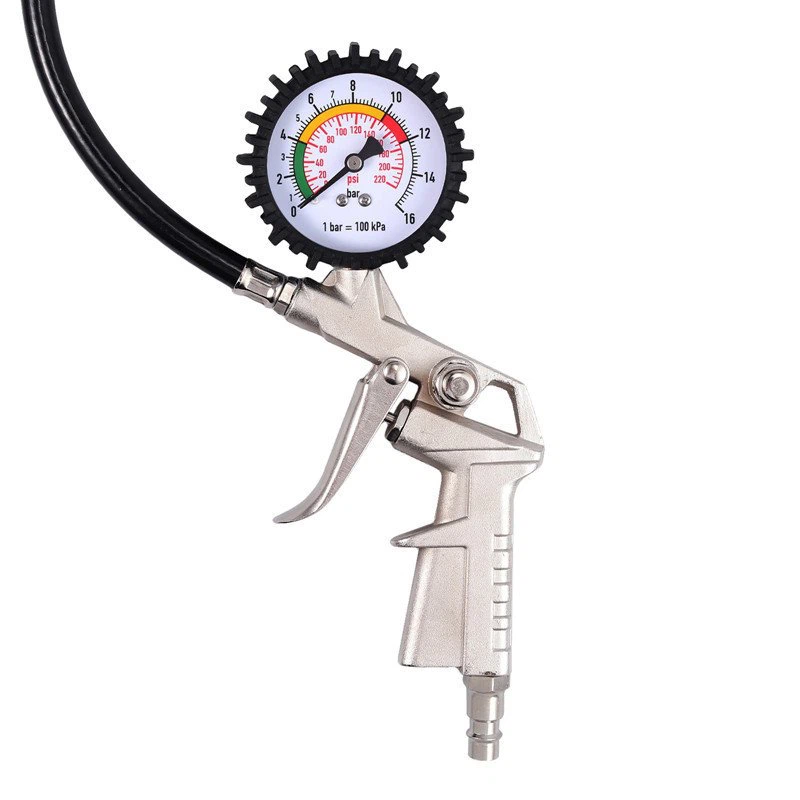

If you're a professional in the automotive industry, a truck driver, or someone who needs to inflate large tires regularly, a piston inflator is the way to go. It has the power, durability, and performance you need to get the job done quickly and efficiently.
As a supplier of Air Tire Inflator, I can offer you a wide range of both diaphragm and piston inflators. Whether you're looking for a budget - friendly option for home use or a high - end professional inflator, we've got you covered. If you're interested in purchasing an air tire inflator, or if you have any questions about which one is right for you, feel free to reach out. We're here to help you make the best choice for your needs.
References
- "Air Compressor Handbook" by Compressed Air and Gas Institute
- "Automotive Service: Inspection, Maintenance, Repair" by James D. Halderman


