

What is an air sander? Well, let me break it down for you. As an air sander supplier, I've got a ton of hands - on experience with these nifty tools, and I'm excited to share all about them.
The Basics of an Air Sander
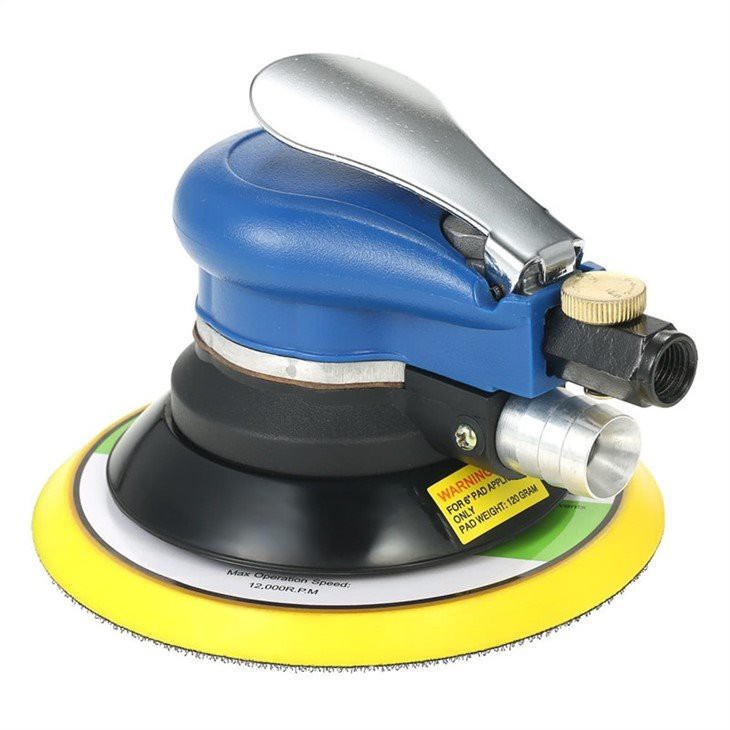
An air sander, also known as a pneumatic sander, is a power tool that uses compressed air to operate. It's a popular choice in various industries, from automotive to woodworking, and even in some DIY projects. The main function of an air sander is to smooth surfaces, remove paint or rust, and prepare materials for finishing.
One of the big advantages of an air sander is its power - to - weight ratio. Since it runs on compressed air, it can deliver a lot of power without being overly heavy. This makes it easier to handle, especially for tasks that require long periods of sanding. Plus, air sanders tend to be more durable than their electric counterparts because there are fewer electrical components that can wear out or short - circuit.

Types of Air Sanders
There are several types of air sanders out there, each designed for specific tasks.
Air Random Orbital Sander
The Air Random Orbital Sander is a very versatile option. It combines a circular motion with an orbital motion, which means it can sand in multiple directions at once. This helps to prevent swirl marks on the surface being sanded, resulting in a smooth and even finish. It's great for sanding large flat surfaces, like car body panels or wooden tabletops. You can use different grits of sandpaper with it, depending on whether you're doing rough sanding or fine finishing.
Air Palm Random Orbital Sander
The Air Palm Random Orbital Sander is a smaller, more lightweight version of the random orbital sander. It's called a "palm" sander because it's small enough to hold in the palm of your hand. This makes it perfect for detailed work, like sanding the edges of furniture or working on small, intricate parts. It's also less tiring to use for extended periods, thanks to its compact size and ergonomic design.
Air Belt Sander
Air belt sanders use a continuous loop of sandpaper that runs over two drums. They're really powerful and are mainly used for heavy - duty sanding, like removing a lot of material quickly. For example, if you're refinishing a rough wooden floor or shaping a large piece of metal, an air belt sander is the tool to go for. However, they can be a bit more difficult to control compared to other types of air sanders, so you need some practice to use them effectively.
Air Disc Sander
Air disc sanders have a flat sanding disc that rotates. They're often used for sanding curved or contoured surfaces. In the automotive industry, they're used to sand body curves and prepare them for painting. They can also be used in woodworking to shape and smooth rounded edges.
How an Air Sander Works
So, how does an air sander actually work? It all starts with a compressor. The compressor pumps compressed air into the air sander through a hose. Inside the sander, there's a motor that's driven by the compressed air. This motor then powers the sanding mechanism, whether it's a rotating disc, a moving belt, or an orbiting pad.
The amount of power the sander has depends on the air pressure and the volume of air flowing through it. You can usually adjust the air pressure using a regulator on the compressor or on the sander itself. This allows you to customize the sanding action depending on the task at hand. For example, if you're doing fine finishing work, you might want to reduce the air pressure to get a more delicate sanding action.
Choosing the Right Air Sander
When it comes to choosing an air sander, there are a few things you need to consider.
First, think about the type of work you'll be doing. If you're mainly working on large, flat surfaces, a random orbital sander might be the best choice. But if you need to do detailed work, a palm random orbital sander would be more suitable. For heavy - duty material removal, an air belt sander is a great option.
Next, consider the air requirements. Make sure your compressor can provide enough air pressure and volume for the sander you choose. If the compressor can't keep up, the sander won't work properly.
Also, think about the comfort and ergonomics of the sander. You'll be holding it for long periods, so it should feel good in your hand and be easy to control. Look for features like a padded grip and a well - balanced design.
And of course, the cost is an important factor. Air sanders can vary widely in price, depending on the brand, the type, and the features. You don't always have to go for the most expensive option, but it's worth investing in a quality sander that will last.
Maintenance of Air Sanders
To keep your air sander in good working condition, regular maintenance is essential.
First, make sure to clean the sander after each use. Remove any dust and debris from the sanding mechanism and the air intake. You can use a brush or compressed air to blow out the dust.
Check the sandpaper regularly. If it's worn out or clogged with debris, replace it. Using worn - out sandpaper won't give you a good sanding result and can also put extra strain on the sander.
Lubricate the moving parts of the sander according to the manufacturer's instructions. This helps to reduce friction and wear, and keeps the sander running smoothly.
Inspect the air hose for any leaks or damage. A leaky hose can reduce the air pressure and affect the performance of the sander.
Why Choose Our Air Sanders
As a supplier, we offer a wide range of high - quality air sanders. Our products are sourced from top - notch manufacturers who use the latest technology and high - grade materials. We've got all types of air sanders, from random orbital sanders to belt sanders, so you can find the perfect tool for your needs.
We also provide excellent customer service. Our team of experts is always ready to answer your questions and help you choose the right sander. Whether you're a professional in the industry or a DIY enthusiast, we've got the knowledge and the products to support you.
If you're in the market for an air sander, we'd love to have a chat with you. We can discuss your specific requirements and find the best solution for you. Contact us today to start the conversation and take your sanding projects to the next level.
References
- Woodworking Magazine: Tips on using air sanders in woodworking projects.
- Automotive Repair Manuals: Information on air sanders in the automotive industry.
- Tool Manufacturer Catalogs: Details about different types of air sanders and their features.


