

Hey there! As a cement gun supplier, I've been in the thick of the construction game for quite a while. Today, I'm gonna break down the spare parts of a cement gun for you. Whether you're a seasoned pro or just getting your feet wet in the construction world, understanding these parts is crucial for keeping your equipment in top shape.
Let's start with the basics. A cement gun is a handy tool used for spraying cement, mortar, and other similar materials. It's a real workhorse on construction sites, helping to get jobs done faster and more efficiently. But like any piece of machinery, it needs proper maintenance and sometimes, replacement parts.
Nozzles
One of the most important spare parts of a cement gun is the nozzle. The nozzle is responsible for shaping and directing the spray of cement or mortar. There are different types of nozzles available, each designed for specific applications. For example, some nozzles are designed for a wide, fan-shaped spray, which is great for covering large areas quickly. Others are designed for a more concentrated, pinpoint spray, which is useful for detailed work or hard-to-reach areas.
When choosing a nozzle, you need to consider the type of material you'll be spraying and the surface you'll be applying it to. If you're spraying a thick, heavy cement mixture, you'll need a nozzle with a larger opening to prevent clogging. On the other hand, if you're spraying a thin, lightweight material, a smaller nozzle may be more appropriate.
Air Caps
Another crucial part of a cement gun is the air cap. The air cap works in conjunction with the nozzle to control the flow and pattern of the spray. It helps to atomize the material, breaking it up into tiny droplets for a smooth, even application.
The air cap also plays a role in adjusting the fan pattern of the spray. By changing the air pressure and the position of the air cap, you can create different spray patterns, such as a wide fan, a narrow fan, or a circular pattern. This gives you more flexibility and control over your spraying job.
Needles
The needle is a small but important component of the cement gun. It's located inside the nozzle and controls the flow of material through the gun. When you pull the trigger of the gun, the needle moves back, allowing the material to flow out of the nozzle. When you release the trigger, the needle moves forward, stopping the flow of material.
Over time, the needle can wear out or become clogged with material. If this happens, it can affect the performance of the gun and cause uneven spraying. That's why it's important to regularly inspect and clean the needle, and replace it if necessary.
Pistons and Cylinders
In some cement guns, pistons and cylinders are used to create the pressure needed to spray the material. The piston moves back and forth inside the cylinder, creating a vacuum that draws the material into the gun and then forces it out through the nozzle.
Like the needle, the pistons and cylinders can also wear out over time. They may develop leaks or become damaged, which can affect the pressure and performance of the gun. Regular maintenance, such as lubricating the pistons and cylinders and checking for leaks, is essential to keep them in good working condition.
Hoses
The hoses are what connect the cement gun to the material supply and the air compressor. They need to be strong, flexible, and resistant to abrasion and chemicals. Over time, hoses can develop cracks or leaks, which can cause the material to spill or the air pressure to drop.
It's important to regularly inspect the hoses for any signs of damage and replace them if necessary. You should also make sure that the hoses are properly connected and secured to prevent any leaks or disconnections during operation.
Filters
Filters are used to remove impurities and debris from the air and the material before they enter the gun. This helps to prevent clogging and damage to the internal components of the gun. There are different types of filters available, including air filters and material filters.
Air filters are typically located on the air intake of the gun or the air compressor. They remove dust, dirt, and other particles from the air, ensuring that only clean air enters the gun. Material filters, on the other hand, are located in the material supply line. They remove any large particles or lumps from the material, preventing them from clogging the nozzle or other parts of the gun.
Handles and Triggers
The handles and triggers of the cement gun are what you use to control the operation of the gun. They need to be comfortable to hold and easy to operate. Over time, the handles and triggers can become worn or damaged, which can affect the ergonomics and performance of the gun.
If you notice any problems with the handles or triggers, such as loose parts or difficulty pulling the trigger, it's important to have them repaired or replaced as soon as possible. This will ensure that you can operate the gun safely and effectively.
Why Quality Spare Parts Matter
Using high-quality spare parts is essential for the performance and longevity of your cement gun. Cheap, low-quality parts may be tempting because they're less expensive, but they often don't last as long and can cause more problems in the long run.

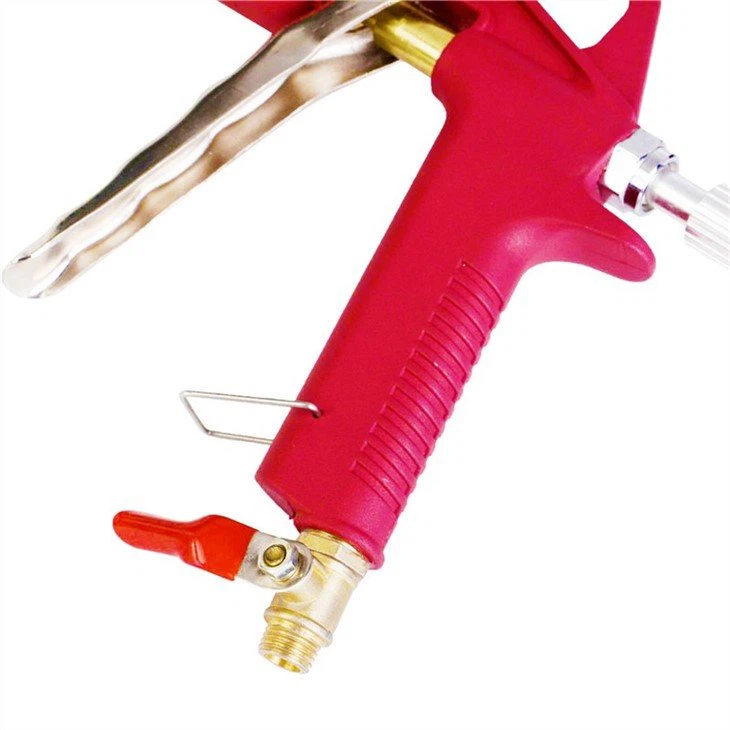
Quality spare parts are made from durable materials and are designed to fit your gun perfectly. They're also more reliable and less likely to break or malfunction. By investing in quality spare parts, you can save money in the long run by reducing downtime and the need for frequent repairs.
Where to Find the Right Spare Parts
As a cement gun supplier, I can tell you that finding the right spare parts can sometimes be a challenge. There are so many different brands and models of cement guns on the market, and not all spare parts are compatible with all guns.
That's why it's important to buy your spare parts from a reputable supplier. A good supplier will have a wide selection of parts for different makes and models of cement guns. They'll also be able to provide you with expert advice and support to help you choose the right parts for your needs.
If you're in the market for a new cement gun or need to replace some spare parts, I'd recommend checking out our Air Texture Spray Gun and Cement Mortar Spray Gun. These guns are top-of-the-line and come with high-quality spare parts that are built to last.
Wrapping Up
Well, that's a rundown of the main spare parts of a cement gun. Understanding these parts and how they work is essential for keeping your gun in good working condition and getting the most out of your spraying jobs.
If you have any questions or need more information about cement guns or their spare parts, don't hesitate to reach out. We're here to help you find the right solutions for your construction needs. Whether you're a small contractor or a large construction company, we've got the products and expertise to support you.
So, if you're looking to purchase a new cement gun or need to stock up on spare parts, let's start a conversation. We can discuss your specific requirements and find the best options for you. Looking forward to hearing from you!
References
- Construction Equipment Handbook
- Cement Gun Manufacturer's Manuals


