

Hey there! As an air hose supplier, I've been in the thick of the automotive game for quite a while. I often get asked about what the air hose requirements are for automotive use. Well, let's dive right into it.
First off, let's talk about the importance of air hoses in the automotive industry. Air hoses are like the veins in an automotive workshop. They carry compressed air to all sorts of tools, from impact wrenches to spray guns. Without a proper air hose, these tools won't work efficiently, and that can slow down the entire automotive repair or maintenance process.
Pressure Rating
One of the most crucial requirements for automotive air hoses is the pressure rating. Compressed air systems in automotive workshops typically operate at a certain pressure, and the air hose needs to be able to handle that pressure without bursting or leaking. Most automotive air tools work with air pressures ranging from 90 to 120 psi (pounds per square inch). So, you want an air hose that has a pressure rating well above this range. A good rule of thumb is to choose a hose with a pressure rating of at least 150 psi. This gives you a safety margin and ensures that the hose can handle any sudden spikes in pressure that might occur.
For example, if you're using a high - powered impact wrench, it might draw a lot of air quickly, causing a temporary increase in pressure. A hose with a low pressure rating could fail under such conditions, leading to a dangerous situation. That's why investing in a high - pressure rated air hose is a must.
Inner Diameter
The inner diameter of the air hose also plays a significant role in automotive applications. The size of the inner diameter affects the volume of air that can flow through the hose. Generally, for most automotive tools, an inner diameter of 1/4 inch to 3/8 inch is sufficient.
A smaller inner diameter might be suitable for light - duty tools like nail guns or small blowguns. These tools don't require a large volume of air, so a 1/4 - inch hose can work just fine. However, if you're using heavy - duty tools such as large impact wrenches or sandblasters, you'll need a larger inner diameter hose, like a 3/8 - inch one. A larger diameter allows more air to flow through, ensuring that the tool gets enough air to operate at its full potential.
Length
The length of the air hose is another factor to consider. In an automotive workshop, you need to be able to move around freely while using your tools. So, the length of the hose should be long enough to give you the necessary range of motion. However, if the hose is too long, it can cause a drop in air pressure.
A good length for an automotive air hose is usually between 25 and 50 feet. This length provides enough flexibility to reach different parts of a vehicle or move around the workshop without sacrificing too much air pressure. If you need to cover a larger area, you can use hose extensions, but be careful as each extension can add to the pressure drop.
Material
The material of the air hose is crucial for its durability and performance in automotive use. There are several types of materials commonly used for air hoses, each with its own advantages and disadvantages.
Rubber hoses are a popular choice in the automotive industry. They are flexible, resistant to abrasion, and can withstand a wide range of temperatures. Durable Air Rubber Hose is a great option if you're looking for a long - lasting and reliable rubber hose. Rubber hoses can handle the rigors of daily use in an automotive workshop, including being dragged across the floor, bumped into tools, and exposed to various chemicals.
PVC hoses are another option. They are lightweight and relatively inexpensive. However, they are not as durable as rubber hoses and can become brittle over time, especially in cold temperatures. PVC hoses are better suited for light - duty or occasional use in automotive applications.
There are also hybrid hoses that combine the best features of different materials. These hoses offer a good balance of flexibility, durability, and cost - effectiveness.
Bend Radius
The bend radius of the air hose is something that is often overlooked but is very important. The bend radius refers to the minimum radius at which the hose can be bent without kinking or restricting the air flow. In an automotive workshop, you'll often need to bend the hose around corners or over obstacles.
A hose with a small bend radius is more flexible and can be bent sharply without causing problems. This is especially useful when working in tight spaces, like under a car or in an engine compartment. Look for hoses that have a stated minimum bend radius, and make sure it's suitable for the type of work you'll be doing.
Fittings
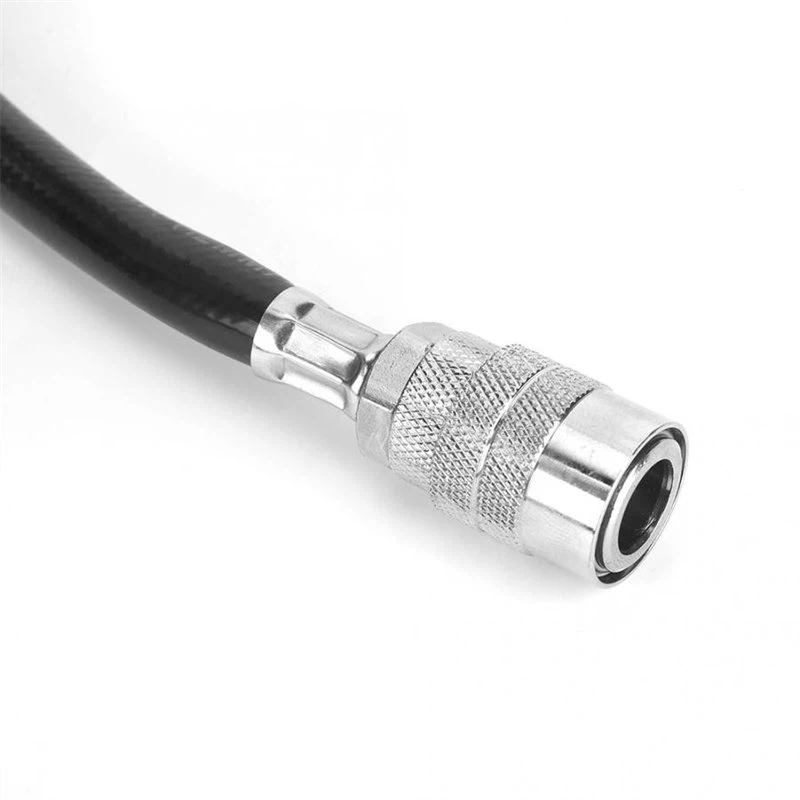
The fittings on the air hose are just as important as the hose itself. The fittings need to be compatible with your air tools and the air compressor. In automotive applications, you'll commonly find quick - connect fittings. These fittings allow you to easily attach and detach the hose from the tools and the compressor, saving you time and effort.
Make sure the fittings are made of high - quality materials, such as brass or stainless steel. These materials are resistant to corrosion, which is important in an automotive environment where there might be exposure to moisture, oil, and other contaminants. A corroded fitting can cause air leaks, reducing the efficiency of your tools and wasting compressed air.
Recoil Feature
If you're looking for a more convenient option, consider a Recoil Air Hose. Recoil air hoses have a unique feature that allows them to retract back to their original length after use. This is great for keeping your workshop organized and preventing the hose from getting tangled.
In an automotive workshop, where space can be limited, a recoil air hose can be a real game - changer. You don't have to worry about coiling up the hose after each use, and it's always ready for the next job.
Resistance to Chemicals and Oils
In an automotive environment, air hoses are often exposed to various chemicals and oils. For example, when working on an engine, there might be oil spills, and the hose could come into contact with brake fluid, coolant, or other automotive chemicals.
Your air hose should be resistant to these substances. Rubber hoses, in particular, are known for their good chemical and oil resistance. This ensures that the hose won't deteriorate over time due to exposure to these substances, maintaining its performance and longevity.

Safety Considerations
Safety is always a top priority in an automotive workshop. When using air hoses, make sure to inspect them regularly for any signs of wear and tear, such as cracks, cuts, or bulges. A damaged hose can be a safety hazard, as it could burst and cause injury.
Also, always follow the manufacturer's instructions when using the air hose and its fittings. For example, make sure to tighten the fittings properly to prevent air leaks. And never exceed the maximum pressure rating of the hose.
In conclusion, choosing the right air hose for automotive use is essential for the efficient and safe operation of your tools. Consider the pressure rating, inner diameter, length, material, bend radius, fittings, and other factors I've mentioned above. As an air hose supplier, I'm here to help you find the perfect air hose for your automotive needs. Whether you're a professional mechanic or a DIY enthusiast, having the right air hose can make your automotive work a lot easier and more enjoyable.
If you're interested in purchasing air hoses for your automotive applications, feel free to reach out. We have a wide range of high - quality air hoses that meet all the requirements I've discussed. Let's have a chat and find the best solution for you.
References
- "Automotive Air Tools: A Guide to Selection and Use" - Industry Publication
- Manufacturer's Specifications for Air Hoses and Tools
- Personal Experience in the Automotive Air Hose Supply Industry


