

Upgrading an air dust gun can significantly enhance its performance, efficiency, and longevity. As a reputable supplier of air dust guns, I understand the importance of keeping these tools in top - notch condition. In this blog post, I'll share some practical tips on how to upgrade an air dust gun to ensure it meets your specific needs and expectations.
Understanding the Basics of an Air Dust Gun
Before delving into the upgrade process, it's essential to have a clear understanding of how an air dust gun works. An air dust gun, also known as an Air Blow Gun, operates by utilizing compressed air to generate a high - velocity stream of air. This stream is used to blow away dust, debris, and other unwanted particles from various surfaces.
The basic components of an air dust gun include a handle, a trigger mechanism, a nozzle, and a connection point for the compressed air source. Each of these components plays a crucial role in the gun's overall performance.
Assessing Your Current Air Dust Gun
The first step in upgrading your air dust gun is to assess its current condition and performance. Examine the gun for any signs of wear and tear, such as cracks, leaks, or loose parts. Check the trigger mechanism to ensure it operates smoothly and that the air flow can be easily controlled.
Evaluate the nozzle's performance. A worn - out or damaged nozzle can result in a weak or uneven air stream. If the nozzle is clogged, it may also reduce the gun's efficiency. Additionally, consider the type of work you typically perform with the air dust gun. Different applications may require different nozzle shapes and sizes. For example, a narrow nozzle is ideal for precise cleaning in tight spaces, while a wide - angle nozzle is better for covering larger areas.
Upgrading the Nozzle
One of the most effective ways to upgrade an air dust gun is to replace the nozzle. There are several types of nozzles available on the market, each designed for specific applications.
High - Velocity Nozzles: These nozzles are designed to generate a powerful, concentrated stream of air. They are perfect for removing stubborn dirt and debris from hard - to - reach places. High - velocity nozzles are commonly used in industrial settings, such as manufacturing plants and automotive repair shops.
Wide - Angle Nozzles: If you need to cover a large area quickly, a wide - angle nozzle is the way to go. These nozzles disperse the air over a broader area, making them ideal for cleaning large surfaces, such as floors, workbenches, and machinery.
Anti - Static Nozzles: In environments where static electricity is a concern, anti - static nozzles can be a valuable upgrade. These nozzles are designed to neutralize static charges, preventing dust and debris from clinging to surfaces. They are commonly used in electronics manufacturing and cleanroom environments.
When choosing a new nozzle, make sure it is compatible with your air dust gun. Most nozzles can be easily attached and detached, allowing you to switch between different types as needed.
Improving the Air Flow
Another important aspect of upgrading an air dust gun is to improve the air flow. A restricted air flow can significantly reduce the gun's performance. Here are some ways to enhance the air flow:
Check the Air Compressor: Ensure that your air compressor is providing an adequate supply of compressed air. The air compressor should be properly maintained, and the pressure should be set to the recommended level for your air dust gun. If the air compressor is not powerful enough, it may be necessary to upgrade to a larger or more efficient model.
Inspect the Air Hose: The air hose connects the air dust gun to the air compressor. Over time, the hose may become kinked, damaged, or clogged, which can restrict the air flow. Inspect the hose regularly for any signs of wear and tear, and replace it if necessary. Make sure the hose is the appropriate length and diameter for your application. A too - long or too - narrow hose can cause a significant drop in air pressure.
Clean the Air Inlet: The air inlet of the air dust gun can become clogged with dust and debris over time. Use a small brush or compressed air to clean the air inlet regularly. This will ensure that the air can flow freely into the gun, maximizing its performance.
Upgrading the Trigger Mechanism
The trigger mechanism is another critical component of an air dust gun. A faulty or uncomfortable trigger can make it difficult to control the air flow and reduce the overall efficiency of the gun.
Ergonomic Triggers: Consider upgrading to an ergonomic trigger. These triggers are designed to fit comfortably in your hand, reducing fatigue and improving control. They are especially beneficial if you use the air dust gun for extended periods.
Smooth - Operating Triggers: A smooth - operating trigger ensures that the air flow can be easily adjusted. Look for triggers that have a precise and consistent action, allowing you to control the air flow with minimal effort.
Adding Safety Features
Safety should always be a top priority when using an air dust gun. Here are some safety features that you can consider adding to your gun:
Safety Guards: A safety guard can prevent accidental contact with the high - velocity air stream. It can also protect your hands and face from flying debris. Look for air dust guns that come with built - in safety guards or consider adding an aftermarket guard.
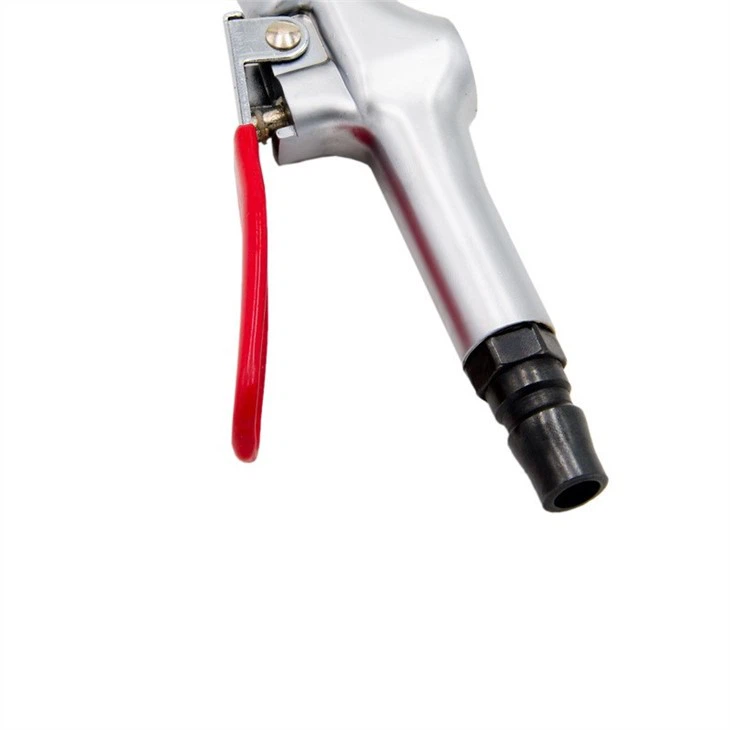

Pressure Relief Valves: Pressure relief valves are designed to prevent over - pressurization of the air dust gun. They automatically release excess pressure if it exceeds a certain level, reducing the risk of damage to the gun and potential injury to the user.
Maintaining Your Upgraded Air Dust Gun
Once you have upgraded your air dust gun, it's important to maintain it properly to ensure its continued performance. Here are some maintenance tips:
Regular Cleaning: Clean the air dust gun after each use to remove any dust and debris. Use a soft cloth or a mild cleaning solution to wipe down the gun, and make sure to clean the nozzle and air inlet thoroughly.
Lubrication: Lubricate the moving parts of the air dust gun regularly. This will help to prevent wear and tear and ensure smooth operation. Use a lubricant that is recommended by the manufacturer.
Inspection: Periodically inspect the air dust gun for any signs of damage or wear. Check the nozzle, trigger mechanism, and air hose for any cracks, leaks, or loose parts. Replace any damaged components immediately.
Conclusion
Upgrading an air dust gun can greatly improve its performance, efficiency, and safety. By following the tips outlined in this blog post, you can transform your air dust gun into a more powerful and versatile tool. Whether you are a professional in an industrial setting or a DIY enthusiast, a well - upgraded air dust gun can make your cleaning tasks easier and more effective.
If you are interested in upgrading your air dust gun or are looking for high - quality air dust guns and replacement parts, please don't hesitate to contact us. We are here to assist you in finding the best solutions for your specific needs. Our team of experts can provide you with personalized advice and guidance to ensure that you make the right choices for your applications. Start the conversation today and let's work together to enhance your air dust gun experience.
References
- Compressed Air Systems Handbook, Industrial Press Inc.
- Air Tool Maintenance Guide, Air Tool Manufacturers Association


