

Troubleshooting an air dust gun is an essential skill for anyone who uses or supplies these tools. As an air dust gun supplier, I've encountered a wide range of issues with these devices over the years. In this blog post, I'll share some common problems and their solutions to help you keep your air dust guns in top working condition.

Understanding the Basics of an Air Dust Gun
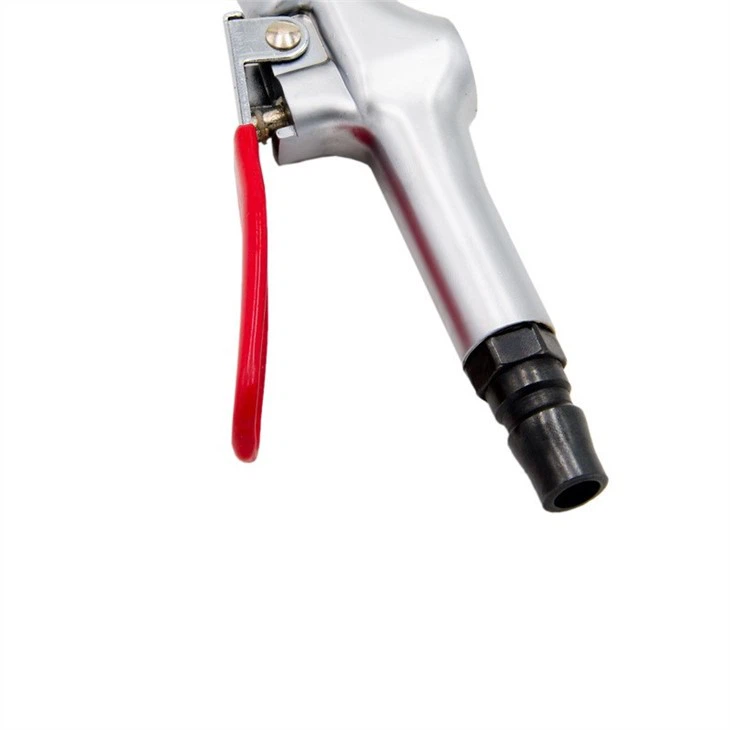
Before we dive into troubleshooting, it's important to understand how an air dust gun works. An air dust gun, also known as an Air Blow Gun, is a simple yet effective tool that uses compressed air to blow away dust, debris, and other contaminants. It typically consists of a handle, a trigger, a nozzle, and a connection point for an air hose. When the trigger is pulled, compressed air flows through the gun and out of the nozzle, creating a high - velocity stream of air.
Common Problems and Their Solutions
1. No Air Flow
- Possible Causes
- Blocked Air Hose: Over time, the air hose can become blocked with dirt, debris, or moisture. This can restrict the flow of air to the gun.
- Closed Air Valve: The main air valve that supplies air to the gun may be closed or partially closed.
- Faulty Connection: The connection between the air hose and the gun may be loose or damaged, causing air to leak instead of flowing through the gun.
- Solutions
- Check the Air Hose: Inspect the air hose for any visible signs of blockage. If you find a blockage, you can try to remove it by gently blowing compressed air through the hose in the opposite direction. If the blockage is severe, you may need to replace the hose.
- Verify the Air Valve: Make sure the main air valve is fully open. You can also check the pressure gauge to ensure that there is sufficient air pressure in the system.
- Inspect the Connection: Tighten the connection between the air hose and the gun. If the connection is damaged, you may need to replace the fittings or the entire connection assembly.
2. Weak Air Flow
- Possible Causes
- Low Air Pressure: The air compressor may not be providing enough pressure to the gun. This could be due to a malfunctioning compressor, a clogged air filter, or a leak in the air system.
- Nozzle Blockage: The nozzle of the air dust gun can become blocked with dirt, debris, or dried - on contaminants. This restricts the flow of air and reduces the gun's effectiveness.
- Worn - Out Components: Over time, the internal components of the gun, such as the valve or the trigger mechanism, can wear out, causing a reduction in air flow.
- Solutions
- Check the Air Pressure: Use a pressure gauge to measure the air pressure at the gun. If the pressure is too low, check the air compressor. Make sure the compressor is running properly, the air filter is clean, and there are no leaks in the air system.
- Clean the Nozzle: Remove the nozzle from the gun and clean it thoroughly. You can use a small brush or a pin to remove any blockages. If the nozzle is severely damaged, you may need to replace it.
- Replace Worn - Out Components: If you suspect that the internal components of the gun are worn out, you can disassemble the gun (following the manufacturer's instructions) and replace the damaged parts.
3. Air Leakage
- Possible Causes
- Loose Fittings: The fittings between the air hose, the gun, and other components may be loose, allowing air to escape.
- Damaged Seals: The seals inside the gun, such as O - rings, can become damaged or worn out over time, causing air to leak.
- Cracked Body: The body of the gun may be cracked, either due to physical damage or stress from repeated use.
- Solutions
- Tighten the Fittings: Check all the fittings and tighten them if necessary. Use a wrench or pliers to ensure a secure connection.
- Replace the Seals: If you find that the seals are damaged, you can replace them with new ones. Make sure to use the correct size and type of seals for your gun.
- Repair or Replace the Gun: If the body of the gun is cracked, you may need to repair it using an appropriate adhesive or replace the entire gun if the damage is severe.
4. Trigger Issues
- Possible Causes
- Sticking Trigger: The trigger may stick due to dirt, debris, or lack of lubrication.
- Broken Trigger Mechanism: The internal components of the trigger mechanism, such as springs or levers, may be broken or damaged.
- Solutions
- Clean and Lubricate the Trigger: Remove the trigger assembly and clean it thoroughly. Use a mild detergent and a small brush to remove any dirt or debris. After cleaning, apply a small amount of lubricant to the moving parts of the trigger mechanism.
- Replace the Trigger Mechanism: If the trigger mechanism is broken, you will need to replace the damaged parts. You can usually find replacement parts from the gun's manufacturer or a reputable supplier.
Preventive Maintenance
To minimize the need for troubleshooting, it's important to perform regular preventive maintenance on your air dust guns. Here are some tips:
- Keep the Guns Clean: After each use, wipe down the gun with a clean cloth to remove any dirt or debris. Periodically, disassemble the gun and clean the internal components.
- Inspect the Air System Regularly: Check the air compressor, air hoses, and fittings for any signs of wear, damage, or leaks. Replace any worn - out or damaged parts immediately.
- Use the Right Air Pressure: Make sure to use the air dust gun at the recommended air pressure. Using too much or too little pressure can cause damage to the gun and reduce its effectiveness.
Conclusion
Troubleshooting an air dust gun doesn't have to be a daunting task. By understanding the common problems and their solutions, and by performing regular preventive maintenance, you can keep your air dust guns in excellent working condition. As an air dust gun supplier, I'm always here to help you with any questions or concerns you may have. If you're in the market for new air dust guns or replacement parts, I encourage you to contact me for a purchase consultation. I can provide you with high - quality products and professional advice to meet your specific needs.
References
- Manufacturer's manuals for air dust guns
- Industry standards and guidelines for air tools maintenance


