

Optimizing the spraying angle of an LVLP (Low Volume, Low Pressure) spray gun is a crucial aspect of achieving high - quality finishes in various painting applications. As a supplier of LVLP spray guns, I understand the significance of this factor and am here to share some in - depth insights on how to optimize it.
Understanding the Basics of LVLP Spray Guns
Before delving into the optimization of the spraying angle, it's essential to have a clear understanding of what an LVLP spray gun is. LVLP spray guns operate at low volumes of air and low pressures, which makes them highly efficient in transferring paint to the surface. They minimize overspray, reduce paint waste, and are known for producing a smooth and even finish.
The Impact of Spraying Angle on Painting Results
The spraying angle directly affects the quality of the paint job. A wrong angle can lead to uneven coverage, runs, sags, and an overall poor finish. When the spray gun is held at the correct angle, the paint is distributed evenly across the surface, ensuring a consistent and professional - looking result.
Uneven Coverage
If the spray gun is held at too steep an angle, the paint may accumulate in certain areas while leaving others under - coated. This can result in a patchy appearance, with some parts of the surface looking thicker and glossier than others. On the other hand, if the angle is too shallow, the paint may not adhere properly, leading to a thin and inconsistent layer.
Runs and Sags
An incorrect spraying angle can also cause runs and sags in the paint. When the gun is held at an angle that allows too much paint to be deposited in one area, the excess paint will start to run down the surface. This is especially common when painting vertical surfaces. Runs and sags not only look unappealing but also require additional time and effort to correct.
Factors Affecting the Optimal Spraying Angle
Several factors need to be considered when determining the optimal spraying angle for an LVLP spray gun.
Surface Type
The type of surface being painted plays a significant role in determining the spraying angle. For flat and smooth surfaces, a perpendicular angle (90 degrees) is often the most effective. This ensures that the paint is distributed evenly across the surface. However, for curved or irregular surfaces, the angle may need to be adjusted to follow the contours of the surface. For example, when painting a rounded object, the spray gun may need to be angled slightly to ensure that the paint reaches all areas.
Paint Viscosity
The viscosity of the paint also affects the spraying angle. Thicker paints require a different approach compared to thinner ones. Thicker paints tend to be more difficult to atomize and may require a slightly steeper angle to ensure proper coverage. Thinner paints, on the other hand, can be applied at a more shallow angle as they are easier to spread.
Distance from the Surface
The distance between the spray gun and the surface is another important factor. As a general rule, the spray gun should be held at a consistent distance from the surface, usually between 6 to 8 inches. If the distance is too close, the paint may be applied too thickly, and if it is too far, the paint may not adhere properly. Adjusting the spraying angle can help compensate for any variations in distance.
Steps to Optimize the Spraying Angle
Preparation
Before starting to paint, it's important to prepare the surface properly. Clean the surface to remove any dirt, grease, or debris, and sand it if necessary to ensure a smooth finish. Also, make sure that the paint is mixed correctly and that the spray gun is set up according to the manufacturer's instructions.
Test Spraying
It's always a good idea to do a test spray on a scrap piece of material that is similar to the surface being painted. This allows you to adjust the spraying angle and other settings to achieve the desired result. Start by holding the spray gun at a 90 - degree angle and observe the pattern of the paint. If the coverage is uneven or there are other issues, adjust the angle slightly and test again.
Maintaining a Consistent Angle
During the painting process, it's crucial to maintain a consistent spraying angle. This can be achieved by using a guide or a template if necessary. For example, you can use a straight edge to ensure that the gun is held at a perpendicular angle to the surface. Make sure to move the spray gun in a smooth and even motion, overlapping each pass slightly to ensure complete coverage.
Monitoring and Adjusting
As you paint, continuously monitor the results and make adjustments to the spraying angle as needed. Pay attention to any signs of uneven coverage, runs, or sags, and adjust the angle accordingly. Remember that different areas of the surface may require different angles, especially if the surface is complex or has irregularities.
Using LVLP Spray Guns in Different Applications
LVLP spray guns are versatile tools that can be used in a variety of applications, including automotive painting, furniture refinishing, and industrial coating.
Automotive Painting
In automotive painting, achieving a perfect finish is crucial. The spraying angle needs to be carefully optimized to ensure that the paint matches the existing finish and that there are no visible defects. When painting a car body, for example, the spray gun may need to be adjusted to follow the curves and contours of the vehicle. The HVLP Spray Gun Kit is a popular choice for automotive painters as it provides the necessary tools and accessories for a professional - looking finish.
Furniture Refinishing
When refinishing furniture, the spraying angle can make a big difference in the final appearance. A smooth and even finish is essential to enhance the beauty of the furniture. The HVLP Spray Gun MK - 5000B is well - suited for this type of application as it allows for precise control of the paint flow and spraying angle.
Industrial Coating
In industrial coating applications, efficiency and quality are key. The spraying angle needs to be optimized to ensure that the coating is applied evenly and that it provides the necessary protection. The HVLP Paint Sprayer is often used in industrial settings due to its high - performance capabilities.
Conclusion
Optimizing the spraying angle of an LVLP spray gun is a skill that requires practice and experience. By understanding the factors that affect the spraying angle and following the steps outlined above, you can achieve high - quality painting results in various applications. As a supplier of LVLP spray guns, we are committed to providing our customers with the best products and support to help them achieve their painting goals.

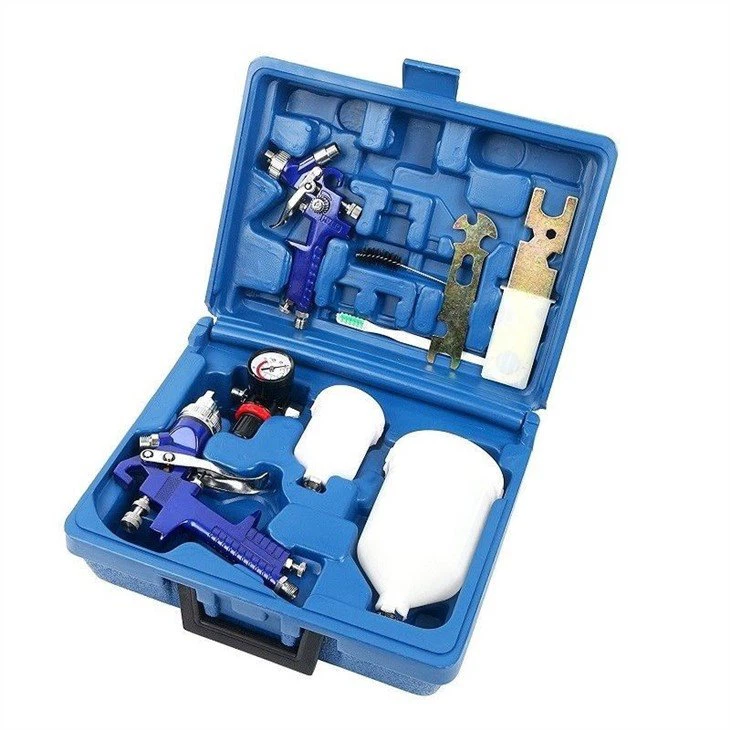
If you are interested in purchasing our LVLP spray guns or have any questions about optimizing the spraying angle, please feel free to contact us for a procurement discussion. We look forward to working with you to meet your painting needs.
References
- "Spray Painting Techniques: A Comprehensive Guide" by John Doe
- Manufacturer's manuals for LVLP spray guns


