

Hey there! As an Air Blow Gun supplier, I'm here to walk you through the process of installing an air blow gun. Whether you're a DIY enthusiast or a professional in the industry, getting this right is crucial for optimal performance. So, let's dive in!
What You'll Need
Before we start the installation, it's important to gather all the necessary tools and materials. Here's a quick list:
- Air Blow Gun: Of course, you need the Air Blow Gun itself. Make sure it's the right model for your specific needs. There are different types, like those with adjustable nozzles or different air flow rates.
- Air Compressor: This is what powers the blow gun. Ensure it's in good working condition and has the appropriate pressure settings for your blow gun.
- Hose: You'll need an air hose to connect the blow gun to the compressor. Check the diameter and length to make sure it's compatible with both the gun and the compressor.
- Wrenches: A set of wrenches will come in handy for tightening the connections. You might need different sizes depending on the fittings.
- Teflon Tape: This helps create a tight seal between the fittings, preventing air leaks.
Step 1: Prepare Your Workspace
First things first, find a clean and well - ventilated area to work in. You don't want any dirt or debris getting into the air system. Lay out all your tools and materials so you can easily access them. Also, make sure the air compressor is turned off and unplugged before you start any installation work. Safety first!
Step 2: Check the Air Compressor
Take a close look at your air compressor. Check the oil level if it's an oil - lubricated compressor. Also, inspect the hoses and fittings for any signs of damage, like cracks or leaks. If you find any issues, fix them before proceeding. You can refer to the compressor's manual for specific maintenance instructions.
Step 3: Connect the Hose to the Compressor
Now, it's time to connect the air hose to the compressor. Locate the air outlet on the compressor. Wrap a few layers of Teflon tape around the male fitting in a clockwise direction. This will help create a tight seal. Then, use a wrench to screw the hose fitting onto the compressor outlet. Make sure it's tightened securely, but don't over - tighten as it could damage the fittings.
Step 4: Prepare the Air Blow Gun
Before connecting the blow gun to the hose, take a moment to inspect it. Check the trigger mechanism to make sure it moves smoothly. Also, examine the nozzle for any blockages or damage. If you have an adjustable nozzle, set it to your desired position.
Step 5: Connect the Blow Gun to the Hose
Similar to what we did with the compressor, wrap Teflon tape around the male fitting of the blow gun. Then, attach the hose fitting to the blow gun. Use a wrench to tighten the connection. Again, be careful not to over - tighten.
Step 6: Test the Connection
Once everything is connected, it's time to test the setup. Plug in the air compressor and turn it on. Let it build up pressure. Then, gently pull the trigger on the air blow gun. You should hear a strong stream of air coming out of the nozzle. If you notice any air leaks around the connections, turn off the compressor and tighten the fittings further.
Step 7: Adjust the Air Flow
Most air blow guns have an adjustable air flow feature. You can increase or decrease the air pressure according to your needs. If you're using the blow gun for light cleaning, you might want a lower air flow. For more heavy - duty tasks, like blowing debris out of a large area, a higher air flow will be more suitable. Experiment with the settings to find what works best for you.
Troubleshooting
Sometimes, things might not go as smoothly as planned. Here are some common issues and how to fix them:
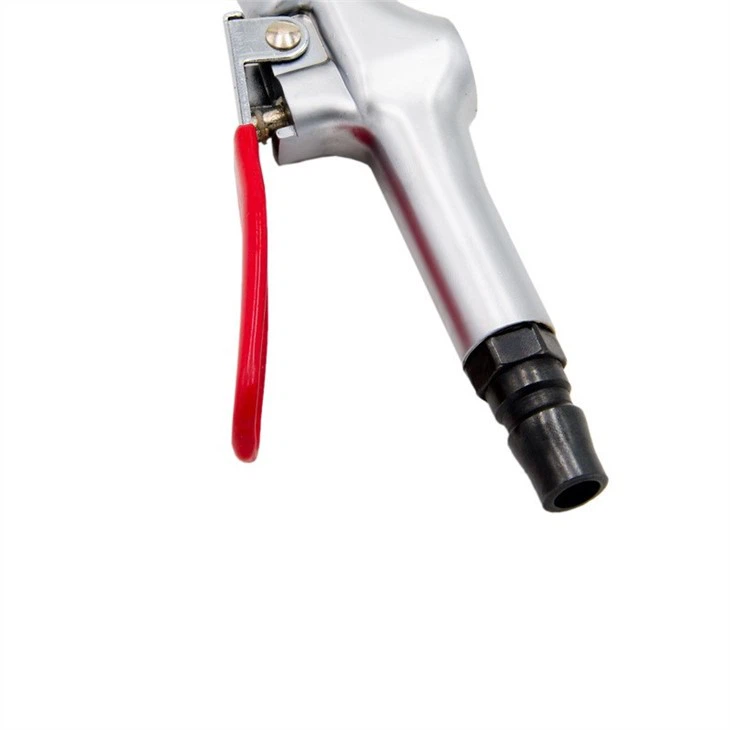

- Air Leaks: If you hear a hissing sound, it's likely there's an air leak. Check all the connections and make sure they're tightened properly. You can also add more Teflon tape if needed.
- Weak Air Flow: This could be due to a blockage in the nozzle or a problem with the air compressor. Check the nozzle for any debris and clean it if necessary. Also, make sure the compressor is providing enough pressure.
- Trigger Not Working: If the trigger doesn't move smoothly or doesn't release air, it might be jammed. Try cleaning the trigger mechanism with a small brush and some lubricant.
Why Choose Our Air Blow Guns
As a leading Air Blow Gun supplier, we offer high - quality products that are built to last. Our blow guns are made from durable materials, ensuring they can withstand regular use. We have a wide range of models to choose from, so you can find the perfect one for your specific application. Whether you need a blow gun for automotive work, industrial cleaning, or home use, we've got you covered.
Contact Us for Purchasing
If you're interested in purchasing an air blow gun from us, we'd love to hear from you. Our team of experts can help you select the right model for your needs and answer any questions you might have. Just reach out to us, and we'll guide you through the purchasing process. We offer competitive prices and excellent customer service.
References
- Compressor Manufacturer's Manual
- Air Blow Gun Product Manual
So, there you have it! You're now equipped with the knowledge to install an air blow gun. Remember, if you have any further questions or need more information, don't hesitate to contact us. Happy blowing!


