

Fixing a leak in an air hose is a crucial skill for anyone using pneumatic tools. As an air hose supplier, I've encountered numerous customers dealing with this common issue. In this blog, I'll guide you through the process of identifying and fixing air hose leaks, providing practical solutions to keep your air hoses in optimal condition.
Identifying the Leak
The first step in fixing a leak is to find its location. There are several methods you can use to identify the leak.
Soapy Water Test
One of the simplest and most effective methods is the soapy water test. Prepare a solution of water and a few drops of dish soap in a spray bottle. Then, spray the soapy water along the entire length of the air hose, including the fittings. If there is a leak, the escaping air will create bubbles at the leak site. This method allows you to visually pinpoint the location of the leak.
Pressure Drop Test
If you have access to a pressure gauge, you can perform a pressure drop test. Hook up the air hose to a compressor and pressurize it to the recommended operating pressure. Then, turn off the compressor and observe the pressure gauge. If the pressure drops significantly over a short period, there is likely a leak in the hose. You can then carefully inspect the hose for any obvious signs of damage or use the soapy water test to locate the exact point of the leak.
Auditory Inspection
Sometimes, you can simply hear the leak. With the air hose pressurized, listen carefully for a hissing sound. Move along the hose slowly to identify where the sound is the loudest, as this is likely where the leak is occurring. Keep in mind that this method may not work for small leaks, as the sound may be too faint to detect.
Repairing Minor Leaks
Once you've identified the leak, the next step is to repair it. For minor leaks, several simple solutions can be effective.

Hose Patches
Hose patches are a quick and easy solution for small holes or cracks in the air hose. You can find hose patches at most hardware stores or online. To use a hose patch, first, clean the area around the leak with a rag to remove any dirt or debris. Then, follow the instructions on the patch to apply it to the leak site. Make sure the patch covers the entire leak and is firmly pressed down to ensure a good seal.
Tape
Electrical tape or duct tape can also be used to temporarily fix minor leaks. While tape is not a permanent solution, it can provide a quick fix until you can replace the hose or use a more permanent repair method. Wrap the tape tightly around the leak site, overlapping the layers to create a seal. However, keep in mind that tape may not hold up well under high pressure, so it's best to use it as a temporary measure.
Hose Repair Kits
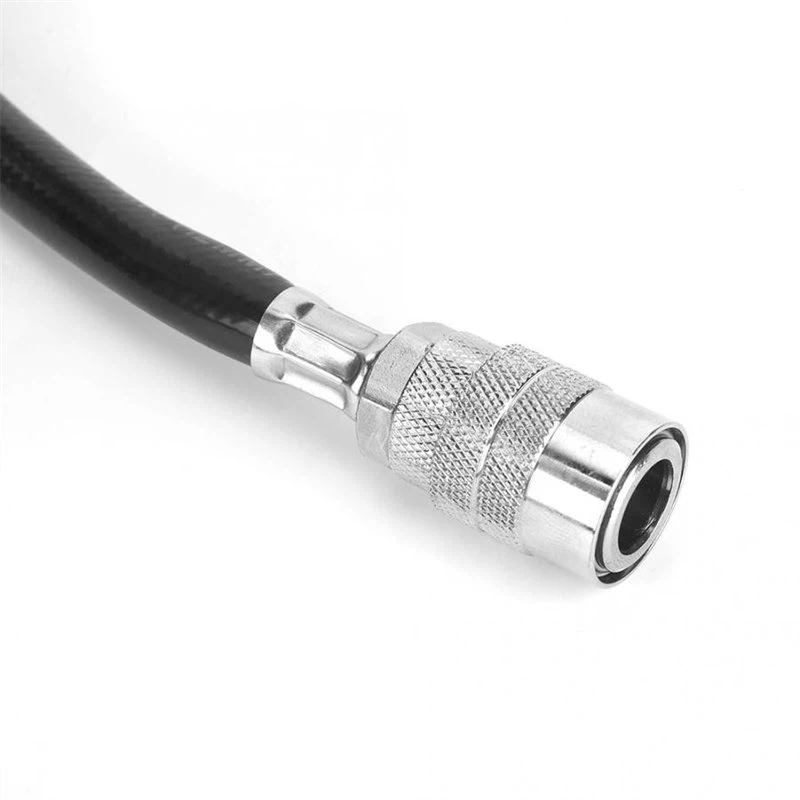
Hose repair kits are available at many hardware stores and online retailers. These kits typically include a cut-off tool, couplings, and clamps to repair damaged hoses. To use a hose repair kit, first, cut out the damaged section of the hose using the cut-off tool. Then, insert the couplings into each end of the remaining hose and secure them with the clamps. Make sure the couplings are tightened properly to prevent further leaks.
Repairing Major Leaks
In some cases, the leak may be too large or the hose may be too damaged to repair. In these situations, it's best to replace the entire hose. As an air hose supplier, I offer a wide range of high-quality air hoses to meet your needs.
Choosing the Right Hose
When choosing a new air hose, consider factors such as the length, diameter, and material. The length of the hose should be long enough to reach your work area but not so long that it causes excessive pressure drop. The diameter of the hose will affect the flow rate of the air, so choose a diameter that is appropriate for your pneumatic tools. The material of the hose will determine its durability and flexibility. For example, Recoil Air Hose is a great option for applications where space is limited, as it can retract automatically when not in use. Meanwhile, Durable Air Rubber Hose is known for its excellent durability and resistance to kinking and abrasion.
Installation
Installing a new air hose is relatively straightforward. First, make sure the compressor is turned off and the system is depressurized. Then, remove the old hose from the fittings using a wrench or pliers. Clean the fittings to remove any dirt or debris. Next, attach the new hose to the fittings and tighten them securely. Make sure the connections are leak-free by performing the soapy water test or a pressure drop test.
Preventive Maintenance
To prevent air hose leaks from occurring in the first place, it's important to perform regular maintenance on your air hoses.
Inspect Regularly
Inspect your air hoses regularly for signs of wear and tear, such as cracks, cuts, or abrasions. Check the fittings for any signs of looseness or damage. If you notice any issues, repair or replace the hose or fittings immediately.
Store Properly
When not in use, store your air hoses properly to prevent damage. Avoid storing them in direct sunlight or extreme temperatures, as this can cause the hose to deteriorate over time. Coil the hoses neatly and store them in a dry, cool place.
Use the Right Fittings
Make sure you are using the correct fittings for your air hoses. Using the wrong fittings can cause leaks and damage to the hose. Refer to the manufacturer's specifications to ensure you are using the right type and size of fittings.
Conclusion
Fixing a leak in an air hose doesn't have to be a daunting task. By following the steps outlined in this blog, you can easily identify and repair leaks in your air hoses. Remember to perform regular maintenance on your air hoses to prevent leaks from occurring in the first place.
As an air hose supplier, I am committed to providing high-quality air hoses and accessories to meet your needs. Whether you are looking for a Recoil Air Hose or a Durable Air Rubber Hose, I have the products you need. If you have any questions about air hoses or need help choosing the right product for your application, please don't hesitate to contact me for procurement and further discussions.
References
- "Air Hose Maintenance Guide." Pneumatic Tool Association.
- "How to Repair an Air Hose." DIY Home Improvement Magazine.


