

Hey there! As a supplier of the LVMP Spray Gun, I often get asked a bunch of questions about its capabilities. One question that pops up quite a bit is, "Can the LVMP Spray Gun be used for spraying on fiberglass surfaces?" Well, let's dive right into this topic and find out.
First off, let's talk a bit about fiberglass. Fiberglass is a really versatile material. It's used in all sorts of things, from boats and cars to home insulation and even some types of furniture. The surface of fiberglass can vary, though. It can be smooth, textured, or have some sort of finish on it. And depending on what you're trying to do with it, like painting or applying a protective coating, you need the right tools.
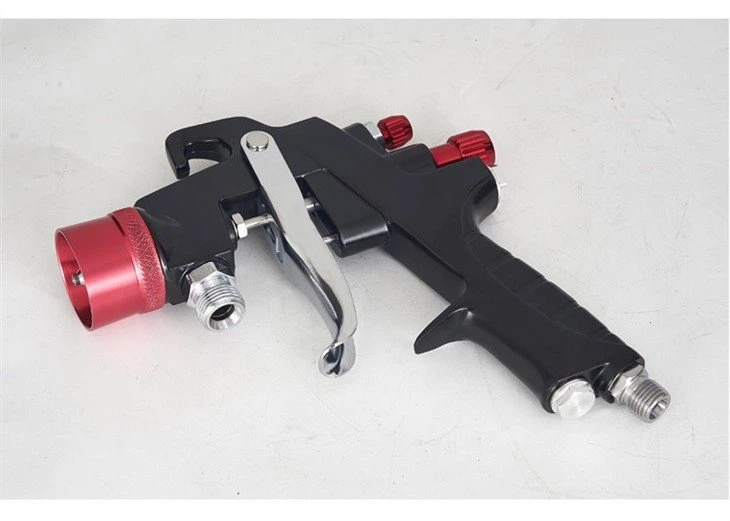
Now, the LVMP Spray Gun. LVMP stands for Low-Volume Medium-Pressure, and it's designed to offer a good balance between the amount of paint it uses and the pressure it applies. This is important because when you're spraying on fiberglass, you don't want to use too much pressure and risk damaging the surface, but you also need enough to get an even coat.
One of the great things about the LVMP Spray Gun is its ability to atomize paint well. Atomization is basically breaking the paint into tiny droplets, and a good atomization means a smoother finish. When you're working on fiberglass, a smooth finish is often what you're after, whether you're painting a boat hull or a car body panel.
Let's talk about the pros of using the LVMP Spray Gun on fiberglass surfaces.
1. Efficiency
The LVMP design helps reduce overspray. Overspray is when the paint goes outside of the area you're trying to cover, and it can be a real pain to clean up. With less overspray, you use less paint, which saves you money in the long run. And who doesn't like saving a few bucks?
2. Control
You have better control over the spray pattern with an LVMP Spray Gun. You can adjust the fan pattern, the amount of paint flow, and the pressure. This is crucial when working on fiberglass because you might need to get into tight corners or cover large, flat areas. You can customize the spray to fit the job at hand.
3. Finish Quality
As I mentioned earlier, the good atomization leads to a high-quality finish. Fiberglass surfaces often need a nice, smooth finish, especially if they're going to be visible. The LVMP Spray Gun can help you achieve that professional-looking finish.
But, of course, there are also some things to keep in mind when using the LVMP Spray Gun on fiberglass.
1. Surface Preparation
Fiberglass surfaces need to be properly prepared before spraying. This means cleaning them thoroughly to remove any dirt, grease, or wax. You might also need to sand the surface lightly to create a better bond for the paint. If the surface isn't prepared right, the paint might not adhere properly, and you could end up with a peeling or flaking finish.

2. Paint Compatibility
Not all paints are suitable for fiberglass. You need to choose a paint that's specifically formulated for use on fiberglass. Some paints might not bond well with the fiberglass, or they could cause the surface to react in a bad way. Make sure to do your research and pick the right paint for the job.
3. Skill Level
Using a spray gun takes some practice. If you're new to spraying, you might need to do some test runs on a scrap piece of fiberglass before you start working on your actual project. It's important to get a feel for how the gun works and how to adjust the settings for the best results.
Now, let's compare the LVMP Spray Gun with some other types of spray guns. For example, the HVLP Paint Spray Gun. HVLP stands for High-Volume Low-Pressure. While HVLP guns are great for reducing overspray even more, they often require more air volume, which means you might need a bigger compressor. The LVMP Spray Gun, on the other hand, can work with a smaller compressor, which can be more convenient if you're on a budget or have limited space.
Another option is the Repair Paint Gun Hvlp Repair Spray Gun Mini TT. This is a smaller, more compact spray gun, which can be useful for small repair jobs. But if you're working on a large fiberglass surface, the LVMP Spray Gun might be a better choice because it can cover more area in less time.
And then there's the Colorful Paint Spray Gun Latex Paint Sprayer MK-818. This sprayer is designed for latex paints, which might not be the best option for fiberglass. The LVMP Spray Gun can work with a wider range of paint types, giving you more flexibility.
In conclusion, the LVMP Spray Gun can definitely be used for spraying on fiberglass surfaces. It offers a good balance of efficiency, control, and finish quality. But you need to make sure you prepare the surface properly, choose the right paint, and have the necessary skills.
If you're interested in purchasing an LVMP Spray Gun or have any questions about using it on fiberglass or other surfaces, feel free to reach out. We're here to help you get the best results for your projects. Whether you're a professional painter or a DIY enthusiast, we've got the knowledge and the products to meet your needs. So, don't hesitate to contact us for more information and to start a procurement discussion.
References
- General knowledge about spray guns and fiberglass surfaces from industry experience.
- Manufacturer specifications of the LVMP Spray Gun and related products.


