

Can I connect multiple air hoses together?
As a seasoned supplier in the air hose industry, I often get asked the question: "Can I connect multiple air hoses together?" The short answer is yes, you can connect multiple air hoses together. However, there are several important factors to consider before doing so to ensure optimal performance and safety.
Understanding the Basics of Air Hose Connection
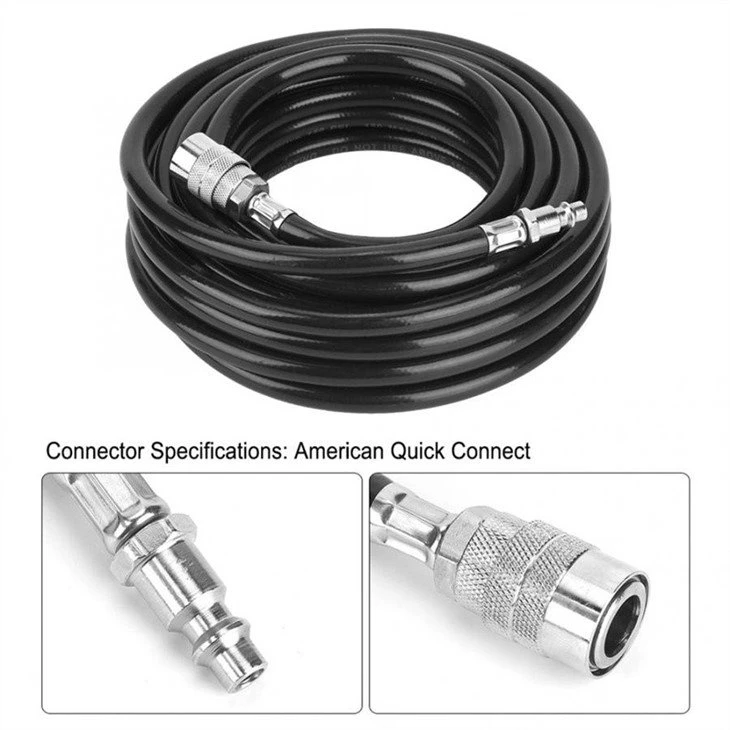
When it comes to connecting air hoses, the process is relatively straightforward. Most air hoses come with standard fittings that allow them to be easily joined together. These fittings are designed to create a secure and airtight seal, preventing any air leakage. The most common types of fittings include quick-connect couplings, which are easy to use and can be quickly attached and detached.
One of the main reasons why someone might want to connect multiple air hoses is to extend the reach of their air supply. For example, if you are working in a large workshop or on a construction site, a single air hose may not be long enough to reach all the areas where you need to use your air tools. By connecting multiple hoses, you can increase the length of your air supply and have greater flexibility in your work.
Factors to Consider
While it is possible to connect multiple air hoses together, there are several factors that you need to take into account to ensure that the connection is safe and effective.
Compatibility of Fittings
The first thing you need to consider is the compatibility of the fittings on your air hoses. Not all fittings are created equal, and using incompatible fittings can result in air leakage or even a dangerous situation. Make sure that the fittings on all the hoses you are connecting are of the same size and type. If you are unsure, it is always a good idea to consult the manufacturer's specifications or seek advice from a professional.
Hose Diameter
The diameter of the air hose also plays an important role in determining the performance of your air system. When connecting multiple hoses, it is important to use hoses with the same diameter. Using hoses with different diameters can cause a restriction in the air flow, which can lead to a decrease in the performance of your air tools. For example, if you connect a large-diameter hose to a small-diameter hose, the air will have to pass through a smaller opening, which can cause a drop in pressure.
Pressure Rating
Another important factor to consider is the pressure rating of the air hoses. Each air hose has a maximum pressure rating, which indicates the highest pressure that the hose can safely withstand. When connecting multiple hoses, make sure that the pressure rating of all the hoses is the same or higher than the pressure of your air supply. Using hoses with a lower pressure rating can result in the hose bursting, which can be extremely dangerous.
Length of the Hose Assembly
The length of the hose assembly also affects the performance of your air system. As the length of the hose increases, the resistance to air flow also increases. This can cause a drop in pressure and a decrease in the performance of your air tools. To minimize the impact of the hose length on the air flow, try to keep the total length of the hose assembly as short as possible. If you need to use a long hose assembly, consider using a larger-diameter hose to reduce the resistance to air flow.
Types of Air Hoses Suitable for Connection
At our company, we offer a wide range of air hoses that are suitable for connection. Two popular options are the Recoil Air Hose and the Durable Air Rubber Hose.
The Recoil Air Hose is a great choice for applications where flexibility and convenience are important. It is designed to automatically retract when not in use, which helps to keep your workspace organized and free of clutter. The recoil feature also makes it easy to store and transport the hose. This type of hose is available in various lengths and diameters, making it suitable for a wide range of applications.
The Durable Air Rubber Hose, on the other hand, is known for its strength and durability. It is made from high-quality rubber materials that can withstand harsh environments and heavy use. This type of hose is ideal for industrial applications where reliability is crucial. It is also available in different lengths and diameters to meet your specific needs.

Potential Issues and Solutions
While connecting multiple air hoses can be a useful solution, it is not without its potential issues. One of the most common problems is air leakage at the connection points. This can be caused by a loose fitting or a damaged seal. To prevent air leakage, make sure that the fittings are tightened properly and that the seals are in good condition. If you notice any air leakage, you can try tightening the fittings or replacing the seals.
Another potential issue is a drop in pressure due to the increased length of the hose assembly. As mentioned earlier, the longer the hose, the greater the resistance to air flow, which can cause a drop in pressure. To address this issue, you can use a larger-diameter hose or a higher-pressure air supply. You can also consider using a booster pump to increase the pressure in the system.
Safety Precautions
When connecting multiple air hoses, it is important to follow some safety precautions to prevent accidents and injuries.
- Inspect the Hoses: Before connecting the hoses, inspect them for any signs of damage, such as cuts, cracks, or wear. Do not use hoses that are damaged, as they can pose a safety risk.
- Use the Right Tools: Use the appropriate tools to connect the hoses, such as wrenches or pliers. Avoid using excessive force, as this can damage the fittings or the hoses.
- Test the System: After connecting the hoses, test the system for air leakage and proper operation. Turn on the air supply and check for any signs of air leakage at the connection points. Make sure that the air tools are working properly and that the pressure is within the recommended range.
- Follow Manufacturer's Instructions: Always follow the manufacturer's instructions when connecting air hoses. This includes using the correct fittings, tightening the connections to the recommended torque, and following any other safety guidelines provided.
Conclusion
In conclusion, connecting multiple air hoses together is a viable option for extending the reach of your air supply. However, it is important to consider the compatibility of the fittings, the hose diameter, the pressure rating, and the length of the hose assembly to ensure optimal performance and safety. By choosing the right type of hoses, such as the Recoil Air Hose or the Durable Air Rubber Hose, and following the proper safety precautions, you can create a reliable and efficient air system.
If you are in the market for high-quality air hoses or have any questions about connecting multiple air hoses, please feel free to contact us. Our team of experts is always ready to assist you in finding the right solution for your specific needs. We look forward to the opportunity to work with you and help you achieve your goals.
References
- Compressed Air Systems Handbook.
- Air Hose Manufacturer's Specifications.


