

Can an under coating gun be used on rubber surfaces? That's a question I've been getting a lot lately as a supplier of under coating guns. And let me tell you, it's not as straightforward as you might think.
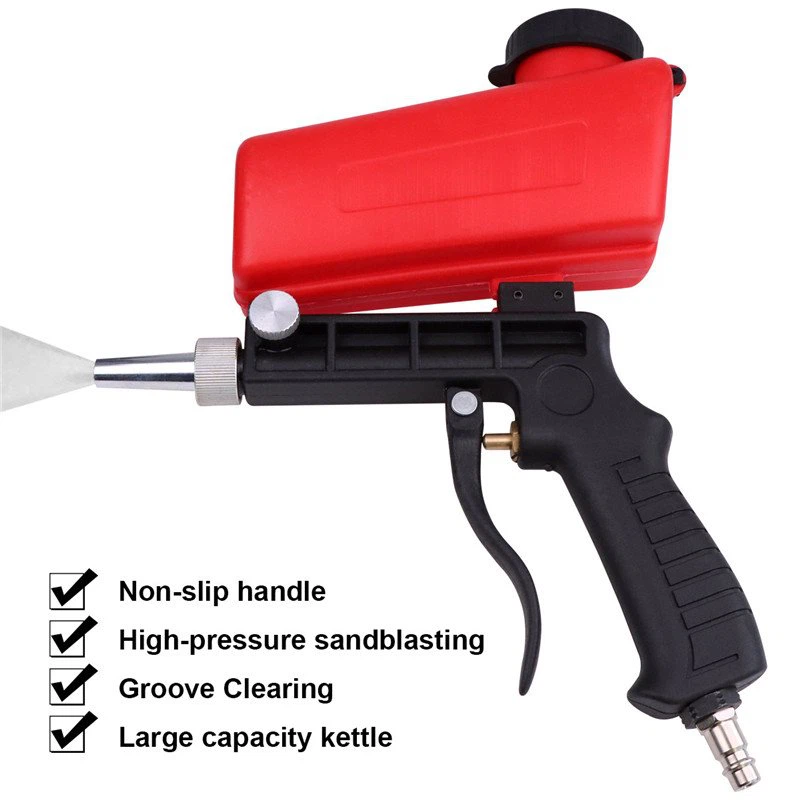
First off, let's talk about what an under coating gun is. An under coating gun is a tool used to apply a protective coating to the underside of vehicles, machinery, or other surfaces. It's designed to spray a thick, viscous material evenly over a large area. There are different types of under coating guns out there, like the Air Sandblast Gun, Air Undercoating Spray Gun, and Portable Sand Blaster Gun. Each has its own features and uses, but they all share the common goal of applying a protective layer.
Now, onto the big question: Can you use an under coating gun on rubber surfaces? The short answer is, it depends. Rubber is a unique material with its own set of properties. It's flexible, elastic, and can be sensitive to certain chemicals. When considering using an under coating gun on rubber, there are a few things you need to take into account.
Compatibility of the Coating Material
The first thing to think about is the compatibility of the coating material with the rubber surface. Not all under coating materials are suitable for rubber. Some coatings may contain chemicals that can react with the rubber, causing it to degrade, crack, or lose its elasticity. For example, solvents in some coatings can dissolve the rubber or cause it to swell.
Before you start spraying, you need to make sure that the coating you're using is specifically formulated for rubber surfaces. Look for products that are labeled as "rubber-safe" or "compatible with rubber." These coatings are designed to adhere to the rubber without causing any damage. They usually have a flexible formula that can stretch and move with the rubber as it bends and flexes.
Surface Preparation
Another important factor is surface preparation. Just like with any other surface, proper preparation is key to getting a good result when using an under coating gun on rubber. The rubber surface needs to be clean, dry, and free of any dirt, grease, or debris. You can use a mild detergent and water to clean the surface, followed by a thorough rinse and drying.
If the rubber has any rough or uneven areas, you may need to sand it lightly to create a smooth surface for the coating to adhere to. However, be careful not to sand too aggressively, as this can damage the rubber. After sanding, wipe the surface with a clean, dry cloth to remove any dust.
Application Technique
The way you apply the coating also matters. When using an under coating gun on rubber, you need to be careful not to apply too much pressure or spray too close to the surface. High pressure can cause the coating to splash or run, and spraying too close can result in an uneven application.
It's best to start with a light, even coat and allow it to dry completely before applying additional coats. This will help to ensure that the coating adheres properly and doesn't build up too thickly in one area. You may also want to use a lower pressure setting on your under coating gun to avoid damaging the rubber.
Drying and Curing
Once you've applied the coating, you need to let it dry and cure properly. The drying and curing time can vary depending on the type of coating you're using and the environmental conditions. In general, it's best to follow the manufacturer's instructions for drying and curing times.
During the drying and curing process, make sure that the rubber surface is kept in a well-ventilated area and away from direct sunlight or heat sources. This will help to prevent the coating from drying too quickly or unevenly, which can lead to cracking or peeling.
Benefits of Using an Under Coating Gun on Rubber Surfaces
If you do it right, using an under coating gun on rubber surfaces can have several benefits. One of the main benefits is protection. The coating can help to protect the rubber from damage caused by UV rays, ozone, chemicals, and abrasion. This can extend the lifespan of the rubber and keep it looking and performing its best.
Another benefit is aesthetics. A well-applied under coating can give the rubber surface a clean, professional look. It can also help to hide any scratches or imperfections on the surface.
Potential Risks
Of course, there are also some potential risks associated with using an under coating gun on rubber surfaces. As mentioned earlier, if the coating is not compatible with the rubber, it can cause damage to the surface. In addition, if the application is not done properly, the coating may not adhere well, leading to peeling, cracking, or flaking.
Conclusion
So, can an under coating gun be used on rubber surfaces? The answer is yes, but with some precautions. You need to make sure that the coating material is compatible with the rubber, prepare the surface properly, use the right application technique, and allow the coating to dry and cure correctly.
If you're interested in using an under coating gun on rubber surfaces, I'd be happy to help you find the right products and provide you with some tips and advice. As a supplier of under coating guns, I have a wide range of products to choose from, including those specifically designed for rubber applications. Whether you're a professional mechanic, a DIY enthusiast, or a business owner, I can help you find the solution that's right for you.
If you have any questions or would like to discuss your specific needs, feel free to reach out. I'm always here to help you make the best decision for your project. Let's work together to protect your rubber surfaces and get the best results possible.

References
- "Rubber Coating Technology" - A technical guide on rubber coatings and their applications.
- Manufacturer's product manuals for under coating guns and rubber-safe coatings.


